
Review · NEW ZEALAND KAYAKING TOURS
Akaroa: 4WD Safari and Guided Sea-Kayaking Experience
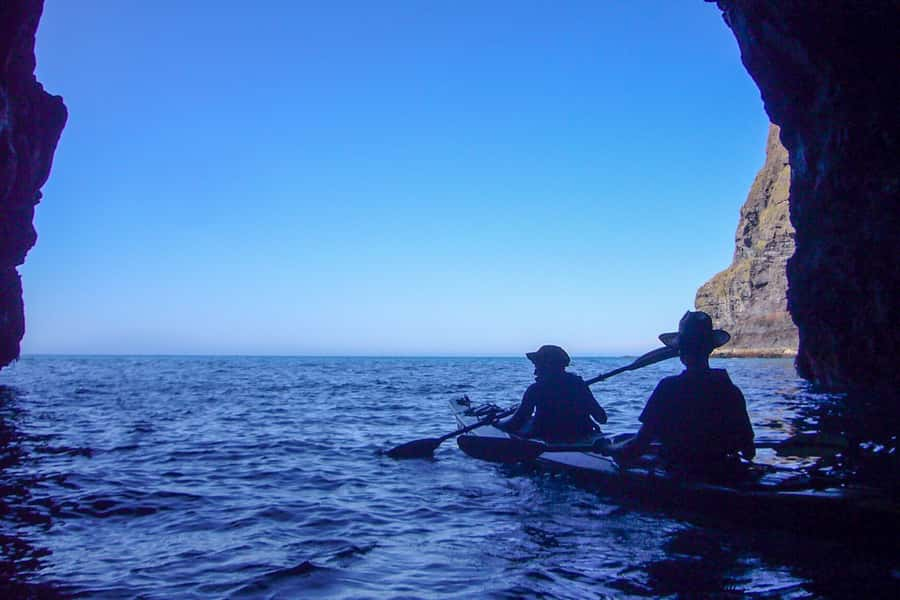
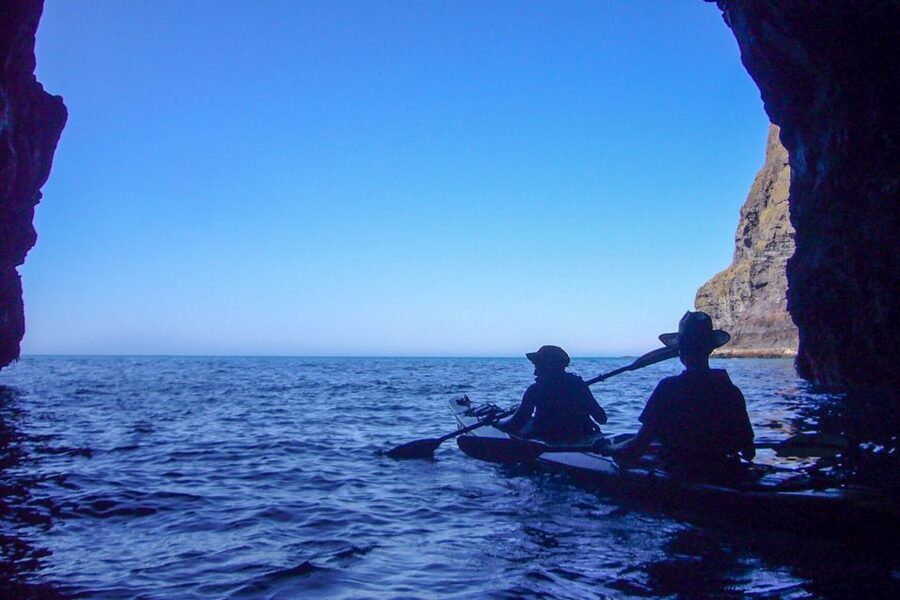
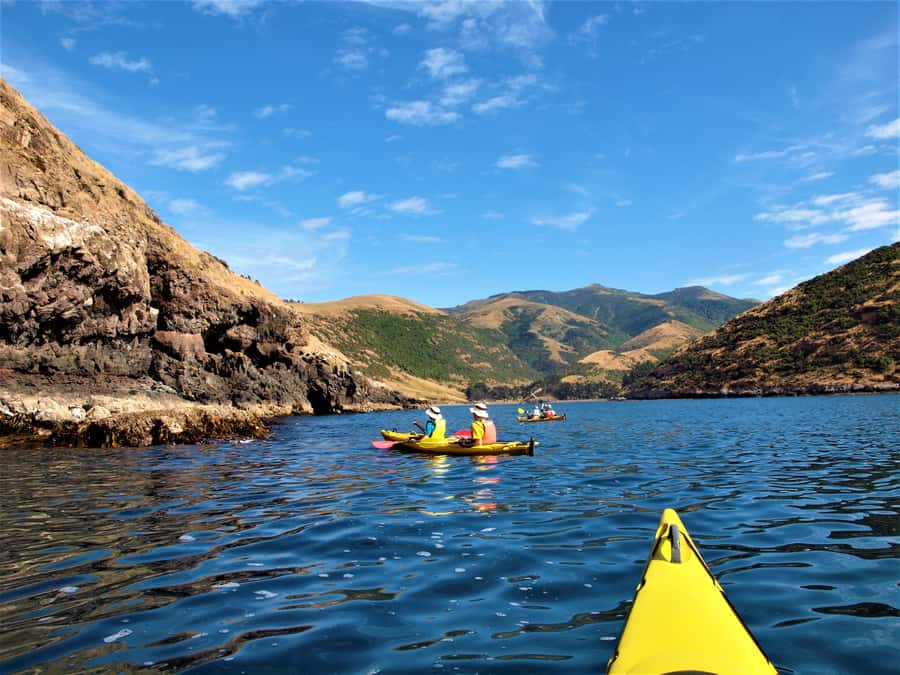
Pōhatu Marine Reserve gives you two fine New Zealand experiences in one outing: a scenic 4WD ride across Banks Peninsula and a guided paddle beneath volcanic cliffs. The wildlife is the real prize. You might see little penguins, fur seals, seabirds, dolphins, and, in calm conditions, the caves and island arch near Flea Bay.
I especially like the dramatic drive to Flea Bay and the way guides such as Ben, Kevin, and Vila connect the scenery with local conservation work. I also like that beginners can join, with double kayaks, safety gear, and careful instruction included.
The catch is the sea. Wind or swell can shorten the kayak route or cancel it altogether. That is not a flaw in the operation, but you should book with flexible expectations and bring enough clothing to stay comfortable if plans change.
Key points to know before you book
- The 4WD ride is part of the attraction: Cross the Akaroa volcanic crater rim and reach remote Pōhatu Flea Bay by road.
- Wildlife is never guaranteed: Penguins, seals, seabirds, and dolphins are possible, but sightings and distances vary.
- Calm water opens the best route: Settled conditions may allow access to sea caves, reefs, Flea Bay Island, and its island arch.
- Beginners are welcome: The outing uses stable double kayaks and includes a guide, life jackets, dry jackets, spray decks, and dry bags.
- The water portion lasts about 1 to 1.5 hours: The full experience takes 270 minutes, including transport, preparation, and commentary.
- Conservation is central: The team supports protection of local penguins and native wildlife, adding purpose to the visit.
From Akaroa’s church to the crater rim
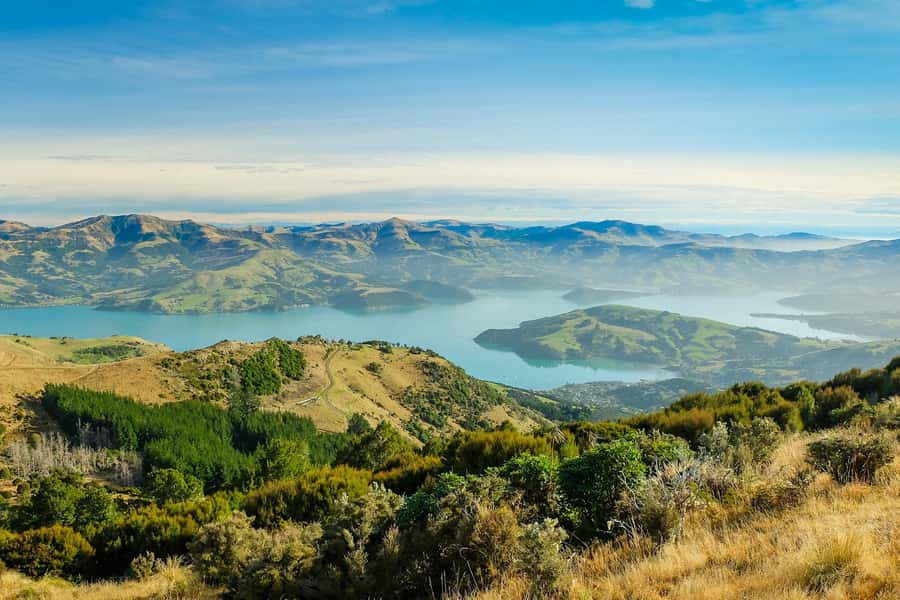
Meet before St Peter’s Church in Akaroa, then settle into a 4WD minivan for the journey toward Pōhatu Flea Bay. The road crosses the crater rim of the Akaroa volcano, giving you a strong sense of how the peninsula was formed.
This ride is not just a transfer to the kayaks. It is an important part of the outing. The route opens views across the peninsula, and the guide provides live commentary about the area, its plants, wildlife, and past. On the afternoon departure, you also get photo stops along the way.
The morning trip suits you if you want an early start and a quieter feel. The afternoon trip gives you the added photo stops, but you need to plan your evening. In summer, shops and restaurants may be closed when the minivan returns, so arrange dinner before you leave.
The road to Flea Bay can be as memorable as the paddle. Still, this is a three-quarter-day activity, not a quick add-on. Allow the full 270 minutes, and do not schedule something tight immediately afterward.
More Guided Paddles in New Zealand:
- Shore Excursion Guided Sea Kayaking through Akaroa Marine Reserve
★ 5.0 · 160 reviews - Whangamata: Donut Island Guided Kayaking Experience
★ 4.8 · 143 reviews - Akaroa: Guided Sunrise Sea Kayaking Tour
★ 4.8 · 59 reviews
Why Pōhatu Flea Bay feels different
Pōhatu Flea Bay lies on the outer coast of Banks Peninsula, away from the streets and harbor activity of Akaroa. Once you reach the water, the setting changes quickly. You trade town views for high volcanic cliffs, rock stacks, reefs, and dark sea caves.
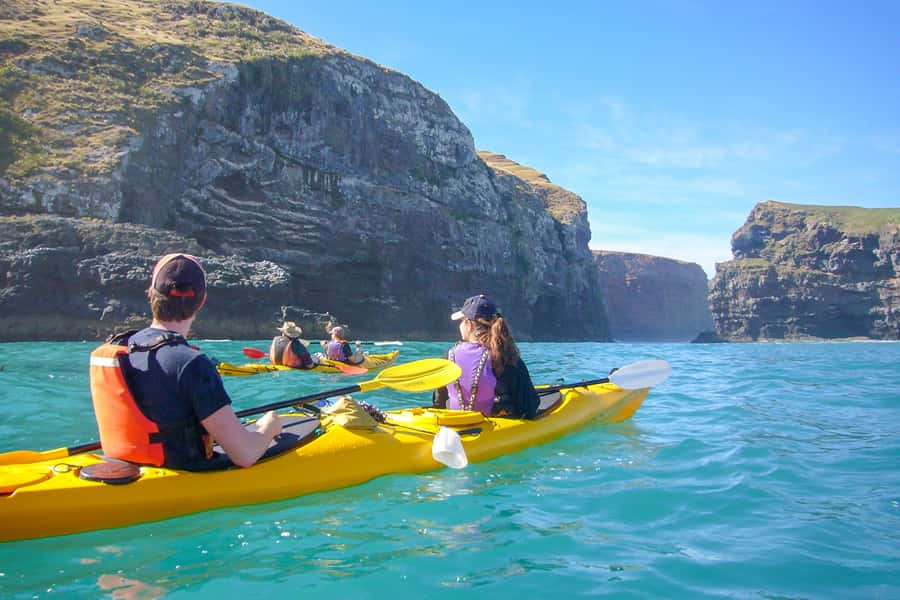
The scale is one of the strongest parts of the trip. A kayak places you close to the waterline, so the cliffs rise above you rather than sitting in the distance. In settled conditions, the group can reach Flea Bay Island and the impressive natural arch nearby.
The route depends on the sea. A calm day can bring a gentle paddle into a cave or around coastal formations. A windy day may mean staying in more sheltered water, shortening the route, or replacing kayaking with a land-based penguin experience. The guide has the final say, and that judgment matters here.
You should not think of the weather decision as a disappointment or a sign that the tour has failed. Sea kayaking beside exposed cliffs carries real risk. A careful guide will protect the quality of the day by choosing the safe option.
Getting ready for the double kayaks
No previous kayaking experience is required. You use double kayaks, which means you paddle with a partner and have support from the guide throughout the outing.
The included equipment covers the basics you need on the water:
- Life jacket
- Dry jacket
- Spray deck
- Dry bag
You should still arrive prepared. Wear comfortable clothes, layers, and weather-appropriate outerwear. Jeans are a poor choice because they become heavy and uncomfortable when wet. Leggings or shorts that can be rolled up work better.
Pack sunglasses, a hat, water, a towel, biodegradable sunscreen, and a complete change of clothes. You may not need every item on a calm, dry afternoon, but the coast can change quickly and dry clothes make the ride back much nicer.
The water portion lasts around one to one and a half hours. That is enough time to enjoy the coast without making the day feel like an endurance test. You need reasonable fitness and the ability to follow safety instructions, but this is not aimed only at experienced paddlers.
Wildlife watching from water level
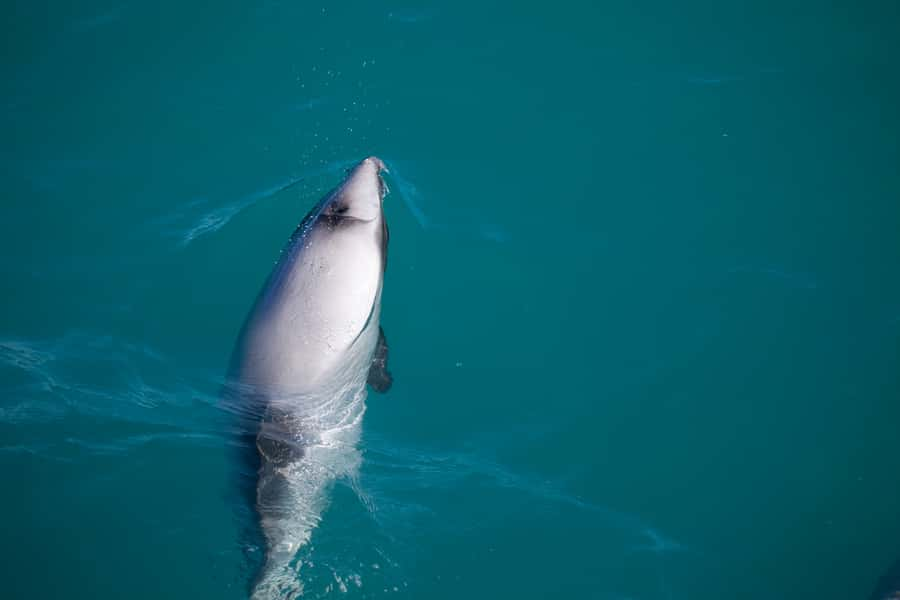
The animal sightings give the outing its emotional lift, but you need to keep expectations sensible. Wildlife is free to move, and no guide can promise a penguin or dolphin encounter.
Little penguins are closely linked with Pōhatu’s conservation work. You might see them on the rocks, swimming near the kayaks, or in and around their burrows. Past outings have also included sightings of young penguins and information about nesting boxes and protection efforts.
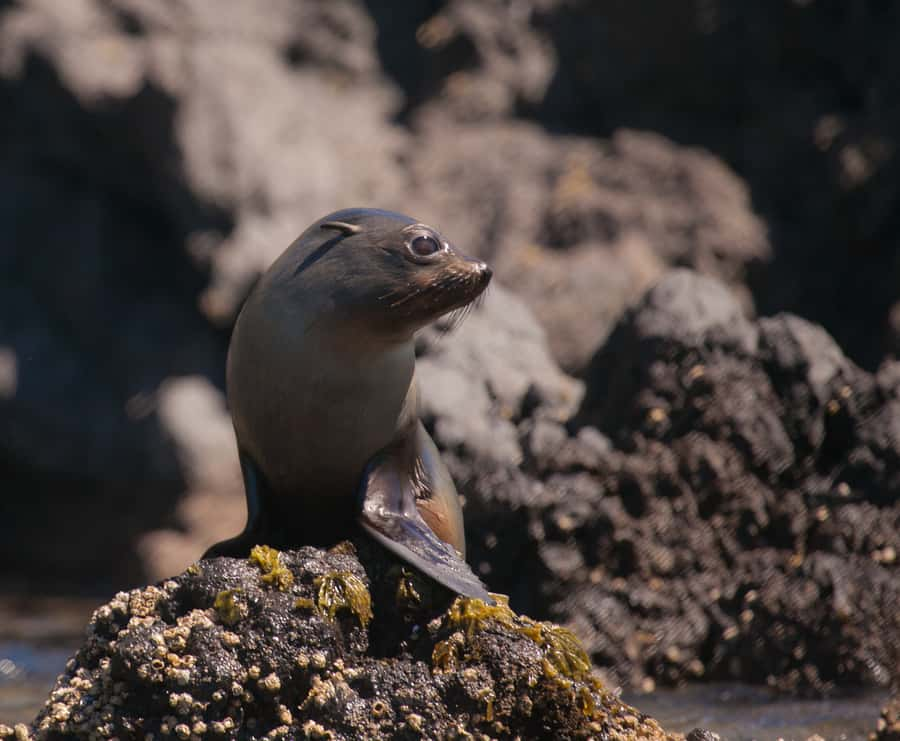
Fur seals are more reliable. You may see them sunning themselves on rocks, moving through the water, or appearing with pups nearby. Kayaking lets you watch without the engine noise of a larger boat, although you must still follow the guide’s directions and keep a respectful distance.
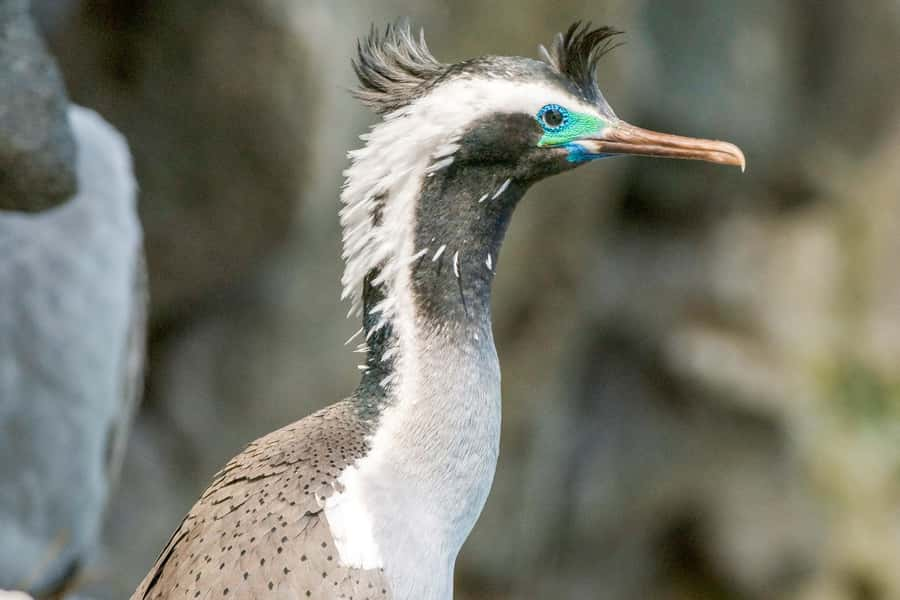
Dolphins are possible too, including the world’s smallest dolphin. Seeing one is a bonus rather than a promise. Seabirds add steady interest, with cormorants and paradise ducks among the species recorded on the route.
Your guide helps you notice the small details. A seal’s head in the water can be easy to miss from shore. A penguin on a rock may blend into the background. The commentary turns the paddle into more than a scenic workout, helping you understand what you are seeing and why the reserve matters.
More Kayaking Trips in New Zealand:
- Cathedral Cove Kayak Tour
★ 5.0 · 887 reviews - Twilight Glowworm Kayak Tour – Lake Karapiro
★ 5.0 · 493 reviews - Wildlife Sea Kayaking Tour – Kaikoura
★ 5.0 · 467 reviews - Seal Kayaking Adventure in Kaikoura
★ 5.0 · 422 reviews
Guides who add meaning to the scenery
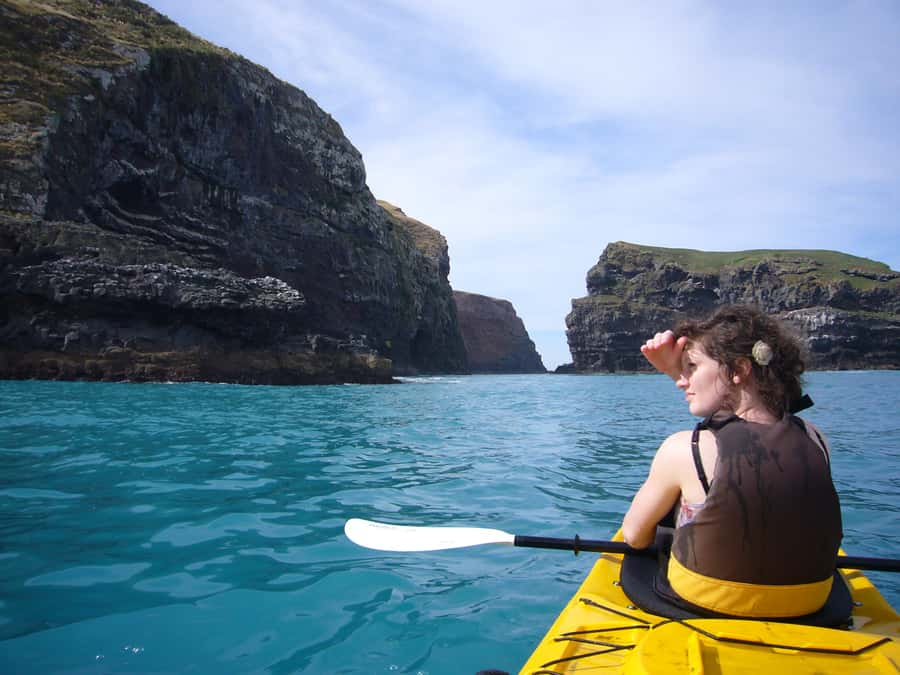
The guides are a major strength of this experience. Ben is known for his strong grasp of local history, plants, wildlife, and safety. Kevin brings similar local knowledge and has been involved in penguin protection work. Vila is especially associated with passionate explanations of conservation and the wider responsibility of caring for New Zealand’s native species.
You may be led by one of these guides or by another member of the team. The important point is that the commentary is not limited to naming animals. You learn about the area’s natural setting and the practical work involved in protecting little penguins.
That conservation focus gives the visit more weight. You are not simply using the reserve as a backdrop for photos. The team works to protect native species, and some of the wider conservation benefits support local penguin protection. Some visitors have chosen to adopt a penguin after learning about the program.
I also value the way the guides handle mixed groups. Children, teenagers, adults, and older paddlers can take part, but the guide assesses conditions, fitness, and ability before deciding if kayaking is safe. That can mean a change of plan, yet it is exactly the sort of judgment you want on exposed coastal water.
What happens when the wind rises
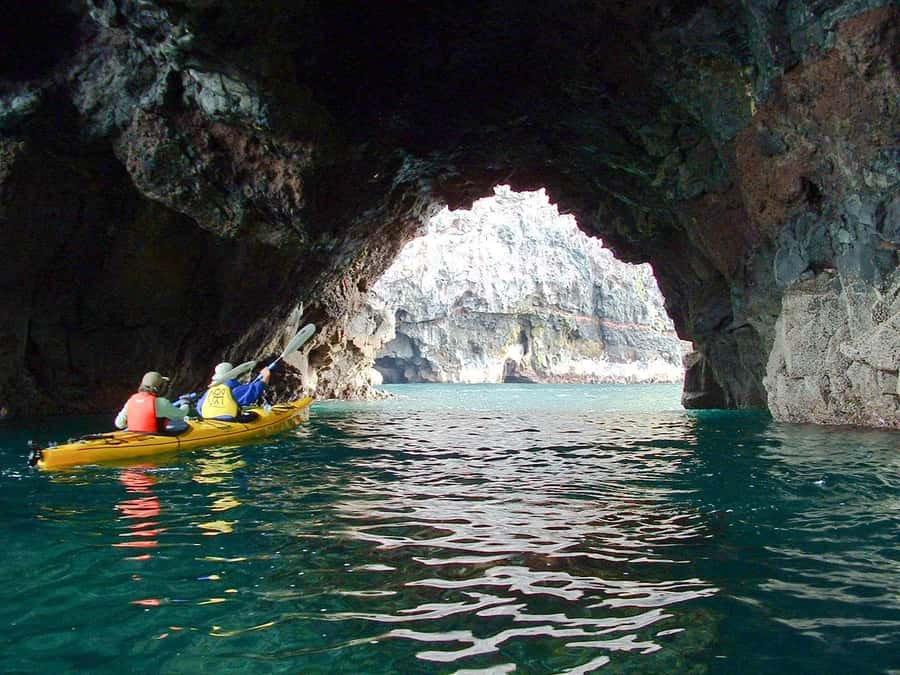
Sea kayaking at Pōhatu carries genuine risks. You need to listen carefully, follow the guide’s instructions, and accept that the guide controls the final decision.
Wind may limit access to the caves, reefs, island, or arch. In stronger conditions, kayaking can be replaced by a land-based penguin experience. The alternative still includes the 4WD journey, scenery, commentary, and conservation information, and the kayaking portion may be partly refunded if it cannot go ahead.
This flexibility has real value, but it also explains why you should not book this activity solely for one promised animal or one particular cave. Think of the outing as a coastal nature experience with kayaking when the sea allows it.
The best approach is to leave room in your schedule and attitude. A rough day may produce fewer wildlife sightings, but it can still offer powerful views and a close look at the team’s conservation work.
Is the $80 price good value?
At $80 per person, the price covers more than a short kayak rental. You receive transport by 4WD minivan, a roughly 40-minute scenic drive according to the trip accounts, a guide, live commentary, safety equipment, and the coastal paddle.
You are also paying to reach a part of Banks Peninsula that would be difficult to experience in the same way on your own. The drive, access to Pōhatu, and guide support are important parts of the value.
The price makes the most sense if you care about the full combination: dramatic scenery, wildlife, local interpretation, and a guided activity. It is less compelling if you only want a guaranteed close-up animal encounter or a long, challenging kayak session.
Food and drink are not included. Bring water and a snack if needed, and plan dinner ahead for the afternoon trip. That small bit of preparation prevents the only obvious practical surprise at the end of the day.
Who should book this outing?
This suits first-time kayakers, couples, families with older children, and anyone who wants a close look at Banks Peninsula without arranging transport independently. Children must be at least eight years old, and every child is paired with an adult.
It is also a good choice for people arriving by cruise ship, provided the timing works. The pickup is in Akaroa, and the company has shown flexibility when transport delays affect a booking, but you should still allow a generous buffer around the ship schedule.
The trip is not suitable for toddlers, infants, or wheelchair users. It may also be a poor match if you dislike changeable weather, physical activity, or the possibility of seeing wildlife from a distance.
You do not need to be a strong paddler, but you should be comfortable in a kayak for up to 1.5 hours and able to manage coastal conditions under instruction. The team can decide that conditions are unsuitable for you or your child, even if the weather looks manageable from town.
Morning or afternoon?
Choose the early bird morning departure if you want to start with the activity and keep your evening free. Morning conditions can vary, so do not assume the earlier option will always be calmer, but it gives you more room for the rest of your day.
Choose the afternoon departure if photo stops and a slower scenic start appeal to you. This option can make the road journey feel more complete, with time to pause along the route.
The tradeoff is the return time. In summer, shops and restaurants may be closed when you get back, so eat beforehand or arrange dinner in advance. That is easy to manage, but worth knowing before you book.
Should you book the Pōhatu kayaking trip?
Book it if you want a well-rounded Banks Peninsula outing rather than a simple paddle. The combination of volcanic scenery, 4WD access, sea caves, penguins, fur seals, and committed local guides gives the day real substance.
I would especially recommend it to first-time kayakers who want support, families with children eight and older, and people who care about wildlife protection. Ben, Kevin, Vila, and the wider team bring strong local purpose to the experience.
Skip it if you need guaranteed calm water, guaranteed dolphins, or an accessible activity. Also skip it if you cannot tolerate a possible change from kayaking to a land-based visit.
For most active visitors, $80 is a fair price for four and a half hours of transport, equipment, guiding, scenery, and wildlife watching. Pack layers, accept the sea’s decision, and leave space for the outing to become either a paddle beneath the cliffs or a conservation-focused visit to one of the peninsula’s most remarkable coastal areas.
FAQ
Where does the activity meet?
The meeting point is before St Peter’s Church in Akaroa.
How long does the full experience last?
The activity lasts 270 minutes, or four and a half hours.
How long are you on the water?
You will kayak for around one to one and a half hours, depending on sea conditions and wildlife sightings.
Do I need kayaking experience?
No. Previous experience is not required, and the trip is led by an experienced guide in settled, safe conditions.
What equipment is included?
The tour includes life jackets, dry jackets, spray decks, and dry bags, along with the double kayaks and guided instruction.
What wildlife might I see?
Possible sightings include little penguins, fur seals, dolphins, cormorants, paradise ducks, and other seabirds. Wildlife sightings are not guaranteed.
Can children join the kayaking experience?
Children must be at least eight years old, and each child must be paired with an adult. Toddlers and infants are not permitted.
What happens if the sea is too rough?
The guide decides whether kayaking is safe. The activity may be changed to a land-based penguin experience, and the kayaking balance may be refunded if kayaking cannot take place.
What should I bring?
Bring sunglasses, a hat, water, a towel, biodegradable sunscreen, comfortable layered clothing, weather-appropriate clothing, and a change of clothes. Avoid jeans because they are unsuitable for kayaking.
Fresh kayak reviews from New Zealand
- Rangitoto Island: Sea Kayak & Summit Hike Day Trip★ 4.8 · 31 reviews
- From Queenstown: Dart River Canoe & Jet Boat Day Trip★ 4.8 · 148 reviews
- Franz Josef: Kayak & Walking Tour to Okarito Kiwi Sanctuary★ 4.9 · 61 reviews
- Epic Tandem Kayak Tour down the Kaituna River Waterfalls★ 5.0 · 6 reviews
- Christchurch: Waka Paddling Experience on the Avon River★ 4.8 · 7 reviews
- Christchurch: Sea Kayaking Tour of Lyttelton Harbour★ 5.0 · 6 reviews
- Auckland: Browns Island (Motukorea) Sea Kayak Tour★ 5.0 · 22 reviews
- Auckland: Sunset & Night Sea Kayak Tour to Rangitoto Island★ 5.0 · 60 reviews
Kayaking Tours, compared.
Hanoi: Ha Long Bay Day Cruise – Swimming, Meal, Kayaking
Read our review →
Tenerife: Kayak and Snorkel with Turtles, Wetsuits Included
Read our review →
Clear Kayak Tour of Shell Key Preserve and Tampa Bay Area
Read our review →
Ibiza Beach Hopping Cruise with Paddleboards, Drinks and Food 6h
Read our review →
Half-Day Emerald Cave Kayak Tour with Optional Hotel Pickup
Read our review →
Barcelona Costa Brava Kayak, Snorkel & Cliff Jump Day Tour
Read our review →
Benagil: Kayaking Tour to the Benagil Cave (Free Shower)
Read our review →
From Phuket: Phang Nga Bay and Canoeing Tour by Big Boat
Read our review →Browse the lists this tour appears in