
Review · FAJARDO KAYAKING TOURS
Puerto Rico Bio Bay Kayak Adventure Tour
The magic begins when your paddle cuts through the dark water and tiny organisms flash blue-green around the kayak. This Laguna Grande night paddle combines a short route through mangroves with one of Puerto Rico’s most unusual natural sights.
I like the way the guides make the science understandable, then show you how to stir the water with your hands or paddle for a better glow. I also like the compact two-hour format, which fits neatly into a busy Fajardo stay. The main catch is that bioluminescence is never guaranteed. Moonlight, weather, water conditions, and the natural cycle of the organisms can all affect what you see.
Key points before you book
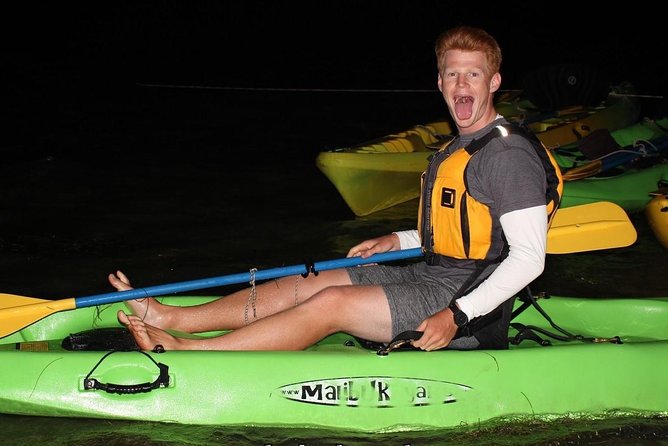
- The route reaches Laguna Grande through mangrove channels, with a darker, wider lagoon waiting at the end.
- Double kayaks hold two people, so odd-numbered groups may be paired with someone outside their party.
- A tarp can block moonlight and help you see the glow on brighter nights.
- Bring bug spray and a change of clothes, since mosquitoes are common around the mangroves and paddling can leave you wet.
- You need moderate fitness and the ability to paddle, with a maximum weight of 245 pounds per person.
- The guides are a major part of the experience, providing safety support, local explanations, and plenty of encouragement in the dark.
Why the Laguna Grande glow is worth chasing
Puerto Rico’s bioluminescent lagoons are special because microscopic organisms produce light when the water moves. You do not see a glowing blue river pouring behind the kayak. Instead, you see brief sparks around your paddle, fingers, and hull.
That difference matters. This is a hands-on natural event, not a light show. The effect can be strong enough to look like tiny stars in the water, but it can also be faint. On some nights, you may see only a few white or blue-green flickers beneath the surface.
The best part is learning how to create the movement yourself. Your paddle disturbs the water, and you may be encouraged to trail your hand through it. The response can be subtle, but the darkness makes each flash feel remarkable.
I appreciate that the guides explain the ecosystem rather than rushing straight to the spectacle. The lagoon, mangrove channels, currents, moonlight, and weather all shape what you see. That context helps you understand why one evening can be bright while another produces only a weak shimmer.
More Kayaking Trips in the world:
- Hanoi: Ha Long Bay Day Cruise – Swimming, Meal, Kayaking
★ 4.7 · 7,415 reviews - Tenerife: Kayak and Snorkel with Turtles, Wetsuits Included
★ 4.6 · 7,215 reviews - Clear Kayak Tour of Shell Key Preserve and Tampa Bay Area
★ 5.0 · 5,800 reviews
Starting at Yokahu Kayak Trips in Las Croabas
The tour begins at Yokahu Kayak Trips, at PR-9987 in Las Croabas, Fajardo. You receive confirmation when you book, and the activity returns to this same meeting point.
Allow time to arrive, check in, and listen to the equipment briefing. The staff provides kayaks, paddles, USCG-approved life jackets, and backrests. You also receive instructions on how to handle the kayak and manage safety during the outing.
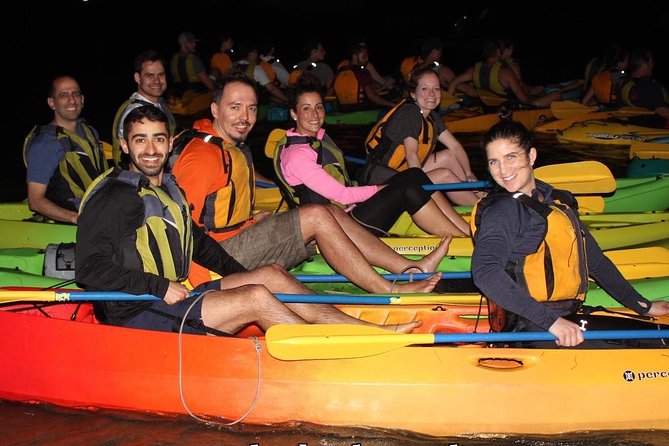
The kayaks are doubles, with two people per boat. This is one of the most important details to understand before paying. If you book with an odd number of people, one person may be paired with somebody from another group. Single kayaks cannot be promised for odd-numbered parties.
Children stay with a parent or family member from their own group, but all participants must be at least six years old and able to paddle through the full route. Pregnant participants cannot join, and the stated maximum weight is 245 pounds per person. The operator weighs participants at check-in for safety reasons.
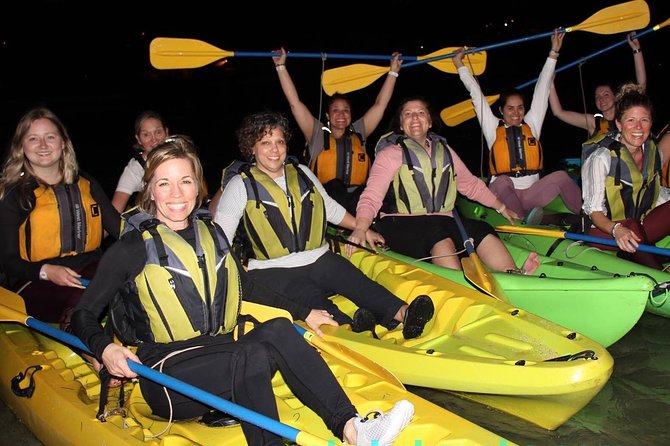
The group can reach up to 30 people. That is large enough to create a social evening on the water, but the guides generally place staff at the front, middle, and back to help keep kayaks together. Names mentioned by customers include William, Luis, Jose, Jason, Julio, Jonathan, and Joshua, though your guide team will depend on the date.
The first paddle through open water
The route begins with kayaking toward the mangrove entrance. This section may include some current, moored boats, and open water before you reach the narrower channel.
It is not usually a punishing workout, but you should not treat it as a passive boat ride. Each person must paddle, and you will need to coordinate with the person sharing your kayak. A strong paddler in each boat helps, especially if the current pushes against you.
Once darkness settles in, basic teamwork becomes more important. You may have trouble seeing the paddle blade, other kayaks, or the edges of the route. The safety briefing and guide positioning help, but you still need to listen and keep your boat moving at a steady pace.
The route can feel wonderfully strange at this point. You are on the water at night, with little visual reference beyond the kayaks around you. That is part of the appeal, but it can also make the outing feel more demanding than daytime kayaking.
Entering the mangrove tunnel
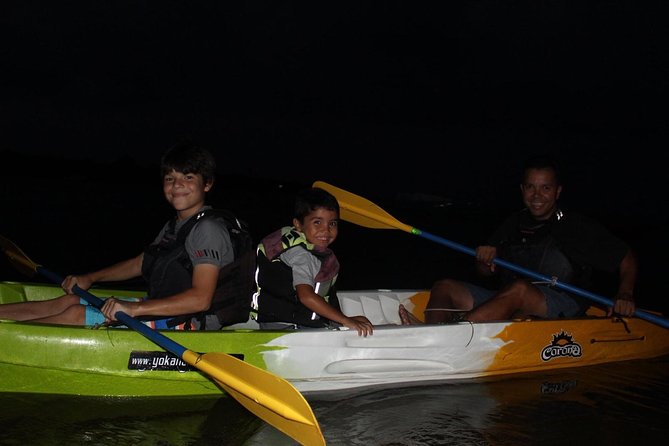
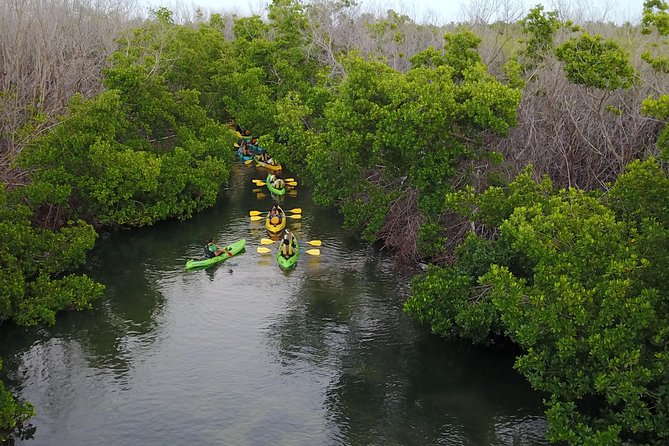
The mangrove passage is one of the most memorable parts of the trip, even before the glow appears. You paddle through a narrow, twisting waterway lined with mangroves. The channel is calmer than the open section, though it has turns that require attention.
This is where bug spray earns its place. Mosquitoes can be active around the mangrove trees, and you will have limited options for avoiding them while seated in a kayak. Apply repellent before launch, and accept the offer if staff has it available.
You may also get splashed. The water is not necessarily rough, but paddles drip, kayaks bump gently against small waves, and people often trail their hands in the water later. Wear clothes that can get wet and bring a towel and dry change of clothes for afterward.
The mangroves create a natural tunnel, but do not expect a silent wilderness experience. The group may be close together, and other boats can be nearby. One customer also noted the smell of gasoline from motorized boats in the area. If you care strongly about low-impact recreation, this is a fair concern to keep in mind.
Same shoreline, another way to paddle it:
- Ibiza Beach Hopping Cruise with Paddleboards, Drinks and Food 6h
★ 5.0 · 5,588 reviews - Half-Day Emerald Cave Kayak Tour with Optional Hotel Pickup
★ 5.0 · 4,978 reviews - Night Kayak – Condado City Lights Tour
★ 4.5 · 4,807 reviews - Phang Nga Bay Sea Cave Canoeing & James Bond Island by Big Boat
★ 5.0 · 4,666 reviews
Reaching Laguna Grande after roughly 30 minutes
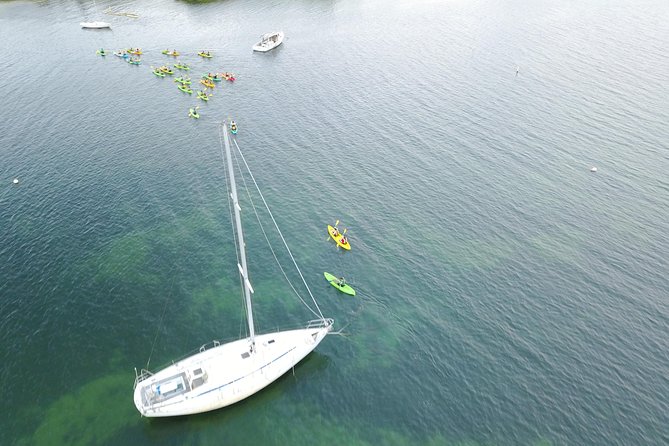
The route generally takes about half an hour to reach the lagoon, although the full activity is advertised at approximately two hours. The time on the water can vary with the group, conditions, and pace.
At Laguna Grande, the guides pause to explain the organisms and the surrounding ecosystem. This is the main reason the trip feels like more than a simple nighttime paddle. You learn what creates the flashes and why the effect changes from one evening to the next.
The lagoon is calmer and more open than the mangrove channel. This gives the group room to spread out while still staying together. You may be asked to move your paddle through the water or use your hands to create a glow.
Do not expect the organisms to illuminate the entire lagoon at once. The effect appears in small bursts where the water moves. If the night is bright with moonlight, the glow can be difficult to see with your eyes adjusted to the sky. The guides may place a tarp over the group to block some of that light.
The tarp is a practical solution, not a guarantee. It can make faint flashes easier to notice, but it may feel warm and crowded underneath. On a clear, bright night, you may spend part of your lagoon time looking upward at stars and part of it trying to catch sparks beneath the cover.
How moonlight and weather change the experience
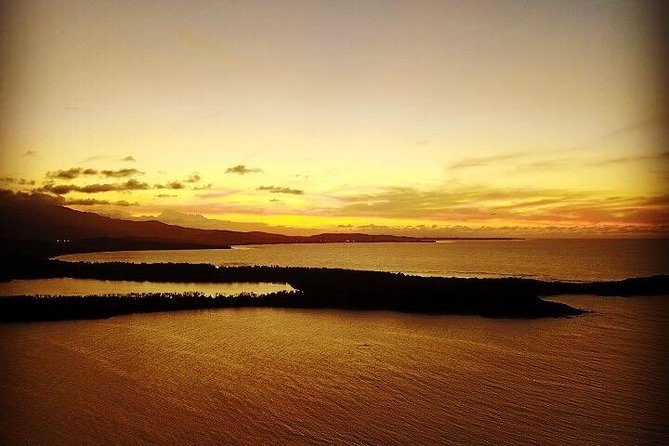
Timing matters more here than it does on many standard excursions. The natural effect varies continuously, and the operator cannot promise a particular brightness level. Moonlight is one of the clearest factors. A new moon or cloud cover can create darker conditions, while a bright moon can wash out the small flashes.
Weather also plays a role. Poor weather can lead to cancellation, with the choice of another date or a full refund. Rain does not automatically ruin the outing, though it can change the mood and visibility. Some outings may produce more enjoyment from the night paddle itself than from the glow.
The operator may contact you when conditions suggest weak visibility and give you the option to cancel. This is useful because you can decide if kayaking through the mangroves is worthwhile even without a strong display.
I would book this with flexible expectations. If you need a guaranteed, dramatic blue spectacle, you may leave disappointed. If you see the glow as one part of a nighttime ecosystem experience, the outing has a better chance of delivering value.
What the guides add to the night
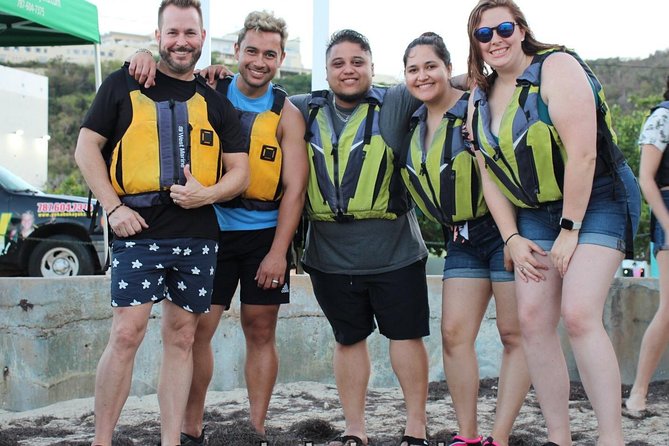
The guide team receives unusually strong praise for safety, humor, and attention to the group. Names such as William and Luis come up often, along with Jason, Jose, Julio, Jonathan, and Joshua.
The staff’s practical role matters. In the darkness, guides help lead the group, watch the rear kayaks, explain paddling technique, and keep an eye on people who are new to kayaking. They also give you better ways to look for the organisms rather than simply pointing at the water and moving on.
The guides may also add small surprises to the evening. On one outing, the crew found moon jellyfish for the group to see. That is not a promised part of the tour, but it shows how the staff can make a low-glow night more interesting.
You should still remember that the guides cannot control the natural conditions. A friendly and capable crew can improve the experience, but they cannot make the lagoon glow on command.
Is $65 a fair price?
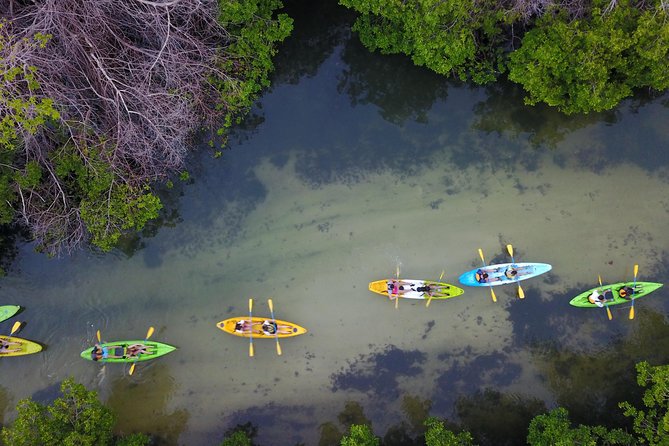
At $65 per person, the tour sits in a reasonable range for a guided two-hour kayak outing with equipment, instruction, safety support, water, and light snacks. You are paying for the location and the organized access as much as for the bioluminescence itself.
The value is strongest when you want an active experience rather than a short viewing stop. You paddle through open water, enter the mangroves, spend time in Laguna Grande, and return to the meeting point. The guides provide the kayak, paddles, life jacket, backrest, and safety explanation, so you do not need to arrange equipment yourself.
The value drops if you judge the entire price by the brightness of the glow. On a weak night, the activity becomes a guided nighttime kayak trip with a chance to see bioluminescence. That can still be worthwhile, but it is not the same as a brilliant display.
The compact duration helps. A full-day excursion can take over your schedule, while this trip fits well after sightseeing in San Juan or around a Fajardo stay. The tour has also been booked frequently, so expect it to be a popular choice rather than a private outing.
Who should book this Fajardo kayak tour?
I would recommend it to active adults, families with children six and older, couples, and first-time kayakers who are comfortable following instructions. The route is manageable for people with moderate fitness, but everyone must be able to paddle the full distance.
It is especially good for people who enjoy natural events in their less predictable form. You will get the most from it if you can appreciate stars, mangroves, nighttime water, and the science behind the glow, even when the organisms are faint.
It is less suitable if you dislike insects, cannot get wet, have difficulty paddling, or need a private kayak. It is also a poor match for anyone expecting a guaranteed bright display every night.
Before leaving, pack bug spray, a towel, and dry clothes. Wear a swimsuit or quick-drying clothing, and leave valuables in the car if possible. The operator requires participants to remain sober and behave safely, and anyone under the influence of drugs or alcohol will not be allowed to participate.
Should you book it?
Book this tour if you want a short, active Fajardo outing with a real chance to see bioluminescent water and a guide team that takes safety seriously. The mangrove route, dark lagoon, and hands-on search for glowing plankton make it more memorable than simply viewing the bay from shore.
Skip it if you need certainty. The glow may be weak or invisible, especially under bright moonlight or changing natural conditions. I would also avoid booking it as the only reason for a tight, expensive trip unless you can accept the possibility of a beautiful nighttime paddle without much bioluminescence.
The cancellation policy gives you a useful safety net: you can cancel for a full refund at least 24 hours before the start time. If weather or minimum participation cancels the outing, you are offered another date or a full refund. That flexibility makes the decision easier, but the best approach is still to arrive ready for both possibilities: glowing water and a very good night on the lagoon.
FAQ
How long does the Puerto Rico Bio Bay Kayak Adventure last?
The activity lasts approximately two hours. The route generally includes about 30 minutes paddling toward Laguna Grande, time in the lagoon, and a return paddle to the meeting point.
Where does the tour begin and end?
The tour begins at Yokahu Kayak Trips, PR-9987, Las Croabas, Fajardo 00738, Puerto Rico. It ends back at the same meeting point.
Are the kayaks single or double?
The kayaks are doubles for two people. If your group has an odd number, one person may be paired with somebody from another group. Single kayaks cannot be guaranteed.
Is the bioluminescence guaranteed?
No. The glowing effect is a natural phenomenon that changes continuously and cannot be predicted or guaranteed. Moonlight, weather, and other conditions can affect how much you see.
What is included in the price?
The tour includes a kayak, paddle, USCG life jacket, backrest, water, light snacks, professional guides, equipment and safety instruction, and an explanation of the lagoon ecosystem and surroundings.
Can children participate?
Children must be at least six years old. Every participant must be able to paddle and complete the tour, and children are assigned to a kayak with a parent or family member from their own group.
Fresh kayak reviews from the world
- Morning Split Sea Kayaking Tour★ 5.0 · 11 reviews
- Split: Canoe Safari on the Cetina River★ 4.8 · 95 reviews
- From Shkodra: Koman Lake Adventure with Boat Ride & Kayak★ 3.3 · 9 reviews
- Sant Elm: Guided Kayak Sunset Tour with Picnic in a Cove★ 5.0 · 6 reviews
- From Svolvær: Lofoten Guided Kayak Experience★ 4.7 · 66 reviews
- From Queenstown: Dart River Canoe & Jet Boat Day Trip★ 4.8 · 148 reviews
- From Sant’Angelo: Ischia Kayak Tour with Italian Aperitif★ 4.9 · 93 reviews
- From Slunj: Mreznica Kayaking Adventure★ 5.0 · 38 reviews
Kayaking Tours, compared.
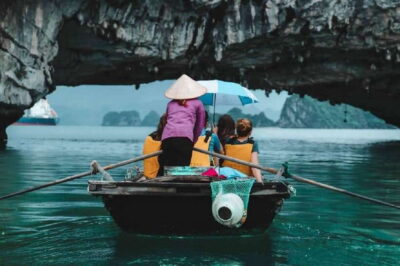
Hanoi: Ha Long Bay Day Cruise – Swimming, Meal, Kayaking
Read our review →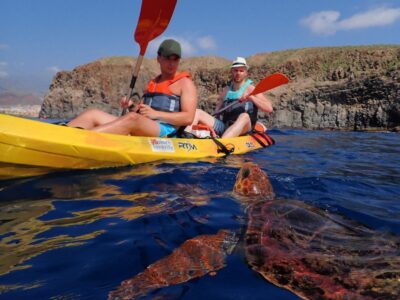
Tenerife: Kayak and Snorkel with Turtles, Wetsuits Included
Read our review →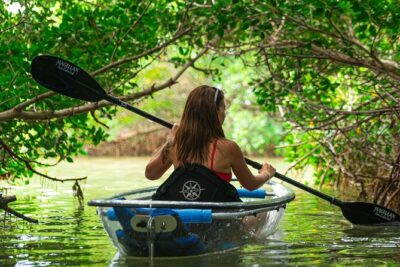
Clear Kayak Tour of Shell Key Preserve and Tampa Bay Area
Read our review →
Ibiza Beach Hopping Cruise with Paddleboards, Drinks and Food 6h
Read our review →
Half-Day Emerald Cave Kayak Tour with Optional Hotel Pickup
Read our review →
Barcelona Costa Brava Kayak, Snorkel & Cliff Jump Day Tour
Read our review →
Benagil: Kayaking Tour to the Benagil Cave (Free Shower)
Read our review →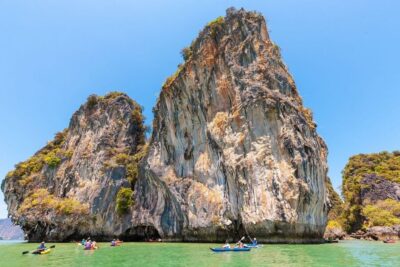
From Phuket: Phang Nga Bay and Canoeing Tour by Big Boat
Read our review →Browse the lists this tour appears in