
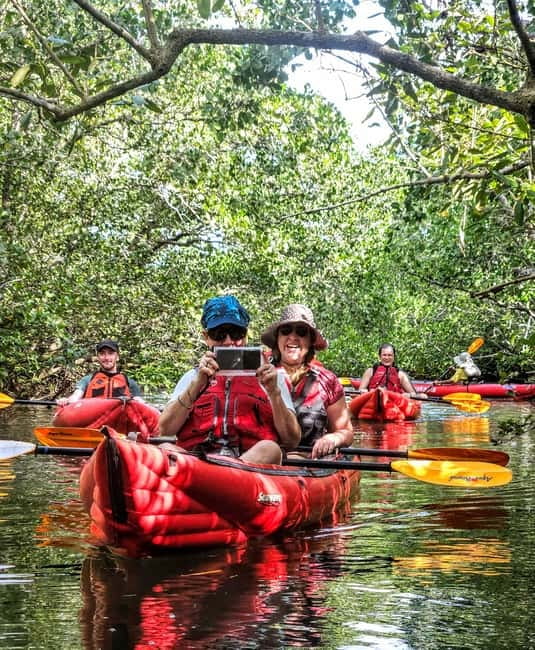
Review · WORLDWIDE
Bohol: SUSTAINABLE Mangrove Tunnels & Firefly Kayaking trail
The brightest part of this Bohol outing comes after sunset, when you paddle quietly along the Abatan River and watch synchronous fireflies blink together in the trees. It is a rare natural show, and the kayak keeps the evening calm, quiet, and less intrusive than a motorboat trip.
I like the small-channel paddling through mangroves and nipa palms, where guides point out birds, plant life, and the river’s value to nearby communities. I also like the practical conservation work behind the tour, including river cleanups and upcycled goods made from old kayak material.
The main consideration is physical: you paddle for about four hours in two sessions, and rain is possible. The $85 price is fair because it covers transfers, equipment, guides, snacks, and dinner, but this is not a quick firefly ride.
Key things to know before you book
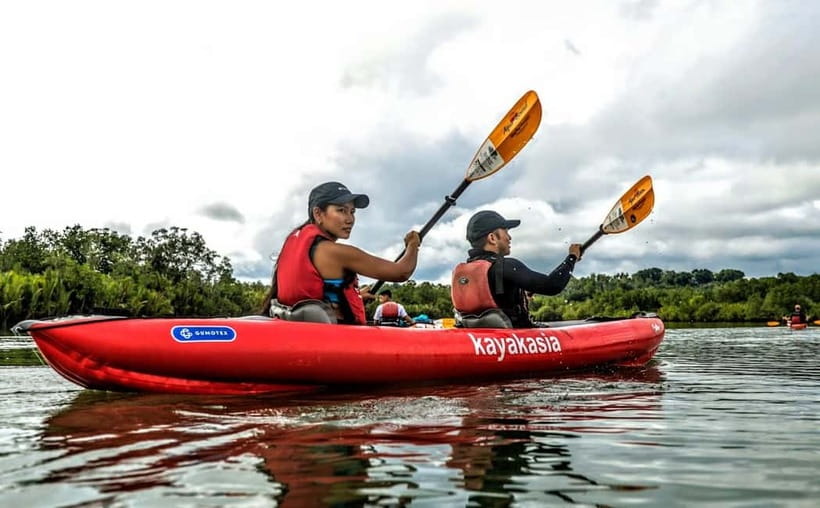
- Synchronous fireflies after dark: Watch the insects blink in harmony from a quiet kayak on the Abatan River.
- Two very different paddles: The first session shows you mangrove tunnels and wildlife by daylight; the second brings the firefly search after sunset.
- Local guides lead the way: Guides including Jeremy, Vince, Raymark, and Kuya MacMac explain ecology, culture, and conservation in plain terms.
- A real meal is included: Expect light local snacks during the break, followed by a home-cooked Filipino dinner.
- Beginner-friendly, but active: You receive a safety briefing and basic instruction, yet the trip still involves several hours of paddling.
- Transfers save planning time: Pickup and drop-off are offered from accommodations in Panglao, Tagbilaran City, and Loboc.
Why the Abatan River firefly trip is worth your evening
Bohol has plenty of famous sights, but this tour gives you a slower way to see the island. Instead of rushing from one stop to another, you spend the late afternoon and evening on the Abatan River, moving under your own power through narrow waterways.
The river supports mangroves, nipa palms, birds, and marine life. Those trees are not just pretty scenery. They provide nursery areas for young marine animals and help protect river and coastal communities from storms and erosion. Your guide explains that connection as you paddle, so the tour has more substance than a simple photo stop.
The fireflies are the star attraction, but the daylight portion matters just as much. It lets you see the plants and channels before darkness hides them. By the time you return for the evening paddle, you understand why the river’s health matters.
I also appreciate that the operation puts conservation at the center of the outing. The local team works with residents and environmental stewards, and river cleanups have supplied old kayak material for upcycled wallets, card holders, keychains, slippers, and other practical goods. That gives your spending a direct local purpose rather than making sustainability just a slogan.
More Mangrove Kayak Tours in the world:
- Sarasota Guided Mangrove Tunnel Kayak Tour
★ 5.0 · 2,440 reviews - Key West Mangrove Kayak Eco Tour
★ 5.0 · 2,205 reviews - Krabi: Kayak Adventure through Ao Thalane Mangrove Forest
★ 4.6 · 2,024 reviews
From Bohol hotels to the Abatan River
Pickup and drop-off are available from accommodations in Panglao, Tagbilaran City, or Loboc. The ride is about 30 minutes in the listed schedule, though the broader trip information places the river station at roughly one hour from Panglao or Loboc and about 15 minutes from Tagbilaran. Your exact drive depends on your accommodation and the day’s route.
That transfer is useful because the tour begins late in the day and finishes after dark. You do not have to arrange a taxi for a rural river station or worry about finding your way back after dinner.
Once you arrive, the staff gives you a safety briefing and a short kayaking lesson. No prior kayaking experience is required. Life jackets and the necessary equipment are supplied, and guides stay with you throughout the outing.
Wear clothes that can get wet, and bring a change of clothes. Sunscreen, a sun hat, drinking water, insect repellent, and outdoor clothing are sensible additions. A camera can capture the daylight scenery, but keep it protected during rain and near the water.
The first paddle: mangrove tunnels and nipa palms
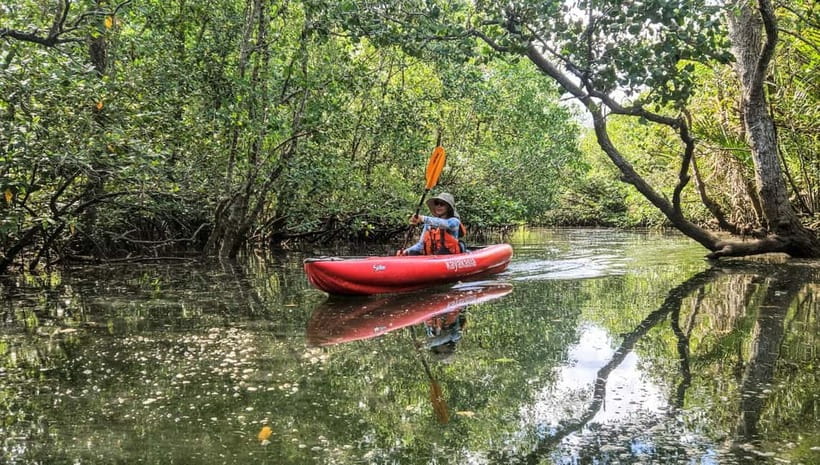
The daytime session lasts about two hours. You paddle through the Abatan River’s mangrove tunnels, winding channels, and flooded forest areas as the afternoon light begins to soften.
This is the part of the trip where the guides do much of their best teaching. They explain different mangrove species, how the trees support marine life, and why the river matters to people who live beside it. You can also learn about threats to the ecosystem and the practical steps local communities take to protect it.
The route is quiet and close to nature. Kayaks make little noise, so you are not adding a motor to the river’s natural sounds. You might see birds along the banks, and the calm water makes it easier to notice small details in the roots, leaves, and channels.
The narrow passages are also what make the trip fun. You weave around mangrove growth instead of simply sitting in a boat and watching the river slide past. Families with children aged 7 and 10 have managed the outing, but every child needs to follow the guide’s instructions and be comfortable with a long active session.
A fair warning: weather can change quickly. One participant experienced several types of Philippine weather during the paddle and still found the rain part of the appeal. If wet conditions would spoil your afternoon, this may not be the right activity. Bring dry clothes and treat the forecast as a guide, not a promise.
The river station break and local snacks
After the first paddle, you return to the river station for about 45 minutes. This is more than a quick drink while the staff resets the kayaks. You have light local snacks and refreshments, time to dry off, and a chance to ask questions before the night session.
The food is one of the strong points of this outing. The snacks are followed later by a home-cooked Filipino dinner using fresh, locally sourced ingredients. Portions are generous, and the meal gives you a taste of local hospitality without turning the tour into a formal restaurant visit.
This break also helps divide the activity into manageable sections. Four hours of continuous kayaking would be a lot for many people. Splitting the paddling into afternoon and evening sessions makes the day easier, though you should still expect a workout. One person described the trip as peaceful but noted that the quiet comes from muscle work, not an engine.
More Kayaking Trips in the world:
- Hanoi: Ha Long Bay Day Cruise – Swimming, Meal, Kayaking
★ 4.7 · 7,415 reviews - Tenerife: Kayak and Snorkel with Turtles, Wetsuits Included
★ 4.6 · 7,215 reviews - Clear Kayak Tour of Shell Key Preserve and Tampa Bay Area
★ 5.0 · 5,800 reviews - Ibiza Beach Hopping Cruise with Paddleboards, Drinks and Food 6h
★ 5.0 · 5,588 reviews
The firefly paddle after sunset
The second kayaking session lasts about two hours and begins after twilight. This is when the atmosphere changes completely. The daytime route gives way to darkness, stars, and the soft reflections of firefly light on the river.
The fireflies are described as synchronous, meaning many insects blink in rhythm. They gather in trees beside the water, creating pulses of light that can look almost like a slow, natural light display. The guides explain the insects and the pressures they face, while asking you to observe without touching plants or disturbing the habitat.
The quiet matters here. A kayak lets you approach the viewing area without motor noise, and the low-impact format is less intrusive than a motorboat tour. You should not expect every night to produce exactly the same sight. Firefly activity and visibility depend on natural conditions, including weather and sky clarity. On a clear evening, the effect can be extraordinary. Even in less ideal conditions, the silent paddle through the dark river is part of the appeal.
Bring insect repellent. You are spending the evening beside water and vegetation, so comfort improves greatly if you apply it before launching. Use your camera with restraint. Flash photography can spoil the view for you and other people, and the fireflies are difficult to capture well in ordinary photographs.
Guides who add meaning to the route
The quality of this tour depends heavily on its guides, and the named staff bring different strengths to the experience. Jeremy leads the kayaking instruction and explains the mangroves in an engaging way. Vince is especially focused on safety, wildlife, and conservation, and is a strong choice for anyone interested in birds or ecology.
Raymark helps orient visitors to the schedule and the group’s conservation work. Kuya MacMac has a friendly, helpful style and explains mangrove species, the river’s role in disaster protection, and the challenges facing fireflies.
The guide team also changes with group size. A larger evening group may have several guides along for the firefly section. That extra support is useful in narrow waterways and helps keep the outing organized after dark.
What I value here is not just information delivered from a script. The guides are tied to the river and the surrounding community, so their explanations connect plants and animals to daily life, storm protection, local work, and future generations. That makes the conservation message easier to understand.
Dinner under the stars
After the night paddle, you return to the base for dinner. The meal is home-cooked Filipino food prepared with fresh ingredients, and it is included in the $85 price.
This is a good ending because it gives you time to warm up, eat properly, and talk with the guides and other people in your group. The meal is not an optional add-on or a token snack. It is a substantial part of the evening, with generous portions and several courses reported in the tour details.
Food quality can vary from day to day because it is prepared locally, but the home-cooked format is part of the attraction. You are eating food connected to the community that helps operate the river program, not simply receiving a boxed meal made for a large bus tour.
What the $85 price really covers
At $85 per person, this is not the cheapest way to see fireflies in Bohol. The value becomes clearer when you add up what is included:
- Round-trip transport from selected Bohol areas
- Kayak, life jacket, and safety equipment
- Basic instruction for beginners
- About four hours of guided paddling
- Daytime wildlife and mangrove viewing
- Evening firefly watching
- Local snacks and refreshments
- Home-cooked Filipino dinner
- English-speaking guide support
- Conservation and community interpretation
You are paying for a five-hour program rather than a short boat ride. The local guide team, transfers, meal, equipment, and two-part route make the cost reasonable for someone who wants a full evening with very little extra planning.
The tour is particularly good value if you are staying in Panglao or Loboc and would otherwise need to arrange transport to the river. It is less compelling if your only goal is to see fireflies as quickly as possible, or if you dislike paddling.
Who should book this activity
I would recommend it to couples, families, solo visitors, and small groups who want nature with a clear local connection. It suits you if you enjoy birds, plants, quiet water, and guides who explain why an ecosystem matters.
Families can take part, and children have enjoyed the paddling, but parents should be ready for wet clothes, insects, changing weather, and a long evening. The tour is beginner-friendly, not effortless.
It is also a strong fit if sustainability affects your booking choices. The no-motor kayak format, local guides, conservation work, community partnerships, and upcycled products all support a lower-impact visit.
You may want to skip it if you have mobility limitations that make kayaking difficult, though the supplied information does not specify accessibility arrangements. You should also think twice if you need a guaranteed clear sky or a completely dry activity. Nature controls the weather and the firefly display.
Practical tips for a smoother evening
Apply sunscreen before pickup, then bring insect repellent for the later hours. Wear quick-drying outdoor clothing and pack a full change of clothes in a waterproof bag.
Keep your phone or camera protected. The river route can include rain, splashes, and close vegetation. A waterproof pouch is more useful than an expensive camera you are afraid to use.
Listen closely during the briefing. The safety rules are simple, but you should not touch plants, smoke, or litter. Those restrictions protect the river and help preserve the very habitat you came to see.
Finally, allow the full five hours. Pickup, paddling, the snack break, firefly watching, and dinner all form one connected program. Trying to squeeze it between tightly timed evening plans would take the pleasure out of it.
Should you book the Abatan River kayak tour?
Book it if you want a full, active evening built around nature rather than a quick photo stop. The mangrove channels, bird sightings, local food, and conservation stories give the trip depth, while the synchronous fireflies provide the unforgettable finish.
The main tradeoff is effort. You will paddle for several hours, deal with outdoor conditions, and accept that fireflies are wild animals, not a scheduled stage show. For $85, though, the included transport, equipment, guides, snacks, dinner, and conservation focus make this a strong choice for a thoughtful Bohol itinerary.
FAQ
How long does the Abatan River kayaking experience last?
The activity lasts about five hours, including transfers, safety instruction, two kayaking sessions, a snack break, and dinner.
Where does the tour take place?
The kayaking takes place on the Abatan River in Bohol, through mangrove tunnels, nipa palm areas, forest channels, and nearby waterways.
Is transportation included?
Yes. Round-trip transfers are included from accommodations in Panglao, Tagbilaran City, or Loboc.
How long is the drive to the river?
The stated travel time is about 30 minutes in the schedule. The broader information estimates about one hour from Panglao or Loboc and about 15 minutes from Tagbilaran City, depending on the pickup location.
Do I need kayaking experience?
No. You receive a safety briefing and basic kayaking instruction before setting out, and the activity is described as beginner-friendly.
Are kayaks and life jackets provided?
Yes. Kayaks, life jackets, and the necessary kayaking equipment are included.
What will I see during the daytime paddle?
You will travel through mangrove tunnels, nipa palms, winding channels, and forest areas. The guides may also point out birds, marine life, and other wildlife.
What are synchronous fireflies?
They are fireflies that blink in harmony. The evening paddle is designed to show you these insects along the Abatan River after dark.
Is food included?
Yes. The tour includes light local snacks and refreshments during the break, followed by a home-cooked Filipino dinner made with fresh, locally sourced ingredients.
What should I bring?
Bring a sun hat, sunscreen, water, insect repellent, outdoor clothing, and a change of clothes. A camera is also recommended, but protect it from water and rain.
Fresh kayak reviews from the world
- Gili sunrise stand-up paddle boarding (drone photoshoot)★ 4.7 · 55 reviews
- Los Cabos Arch & Playa del Amor Tour by Glass Bottom Kayak★ 4.7 · 41 reviews
- Gili SUP Or Kayak With Drone Shoot . Daylight Or Sunrise★ 4.0 · 16 reviews
- Geiranger: Guided Kayak Tour in Geiranger Fjord★ 4.7 · 192 reviews
- gili sunrise Stand-up paddle boarding or kayaking (droneshot★ 4.5 · 11 reviews
- Geiranger: Kayak tour with guide★ 4.9 · 27 reviews
- Geiranger: Kayak Tour with Waterfall Views★ 5.0 · 19 reviews
- Gdańsk: Islands and Canals Private Kayak Tour★ 4.9 · 10 reviews
Mangrove Kayaking, compared.
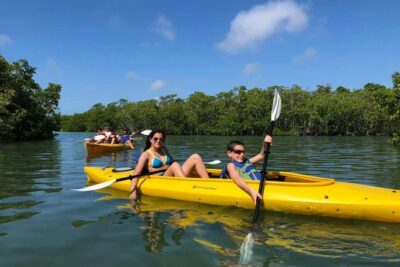
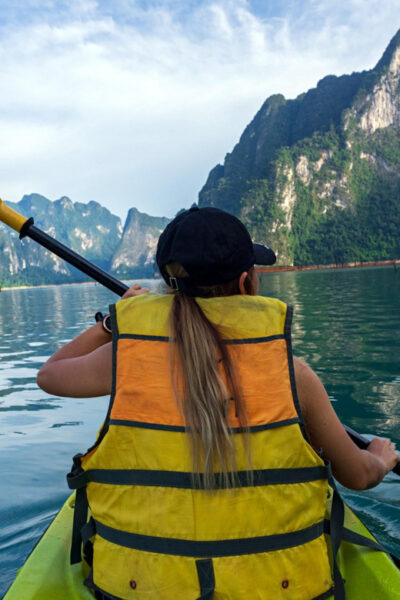
Krabi: Kayak Adventure through Ao Thalane Mangrove Forest
Read our review →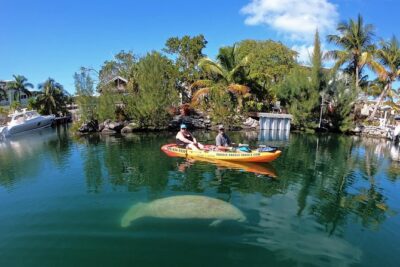
Mangroves and Manatees – Guided Kayak Eco Tour
Read our review →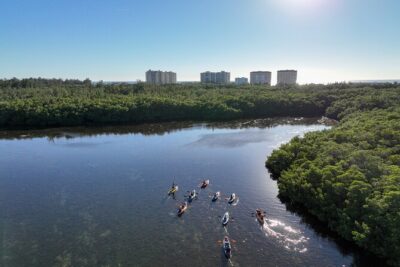
Sarasota Mangrove Tunnel Guided Kayak Adventure
Read our review →
Manatees and Mangrove Tunnels Small Group Kayak Tour
Read our review →
Mangroves, Manatees, and a Hidden Beach: Kayak Tour
Read our review →
Thousand Island Mangrove Tunnel, Manatee & Dolphin Kayak Tour w/Cocoa Kayaking
Read our review →Browse the lists this tour appears in