
Review · ADELAIDE KAYAKING TOURS
Adelaide: Dolphin Sanctuary Eco Kayaking Tour
Adelaide’s Dolphin Sanctuary is best explored at water level, where 10,000-year-old mangroves narrow the view and dolphins may surface beside your kayak. You paddle through tidal creeks, saltmarsh, seagrass areas, and flats that provide feeding grounds for the sanctuary’s dolphins.
I like the quiet pace and the care taken around wild animals. I also like that guides such as Alex, Paddy, Mark, Liam, and Kendall explain the mangroves, dolphins, birdlife, and old shipwrecks rather than simply leading you from point to point. The main drawback is simple: dolphin sightings and the shipwreck route are not guaranteed, and three hours without a toilet stop may test some people.
What makes this kayak tour worth considering
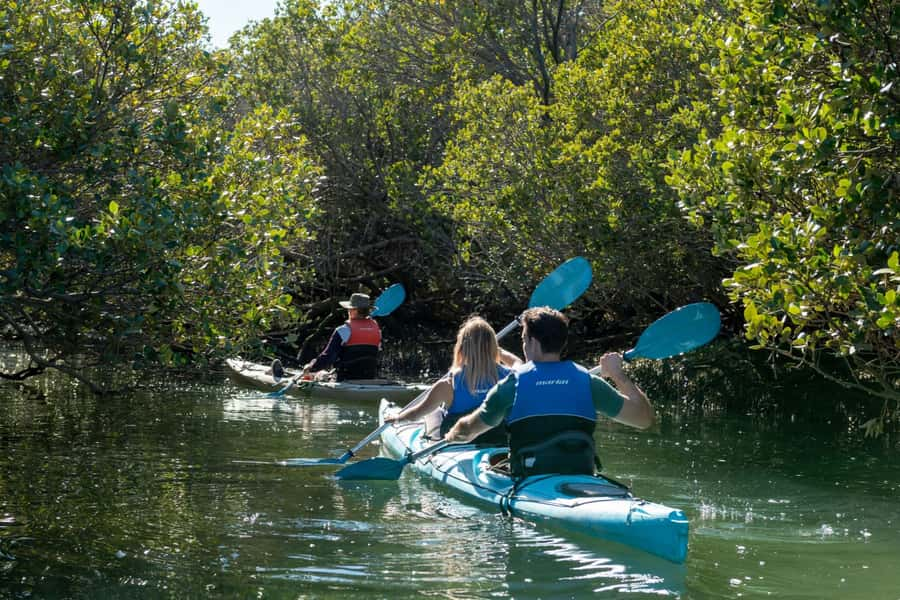
- 10,000-year-old mangrove creeks: Paddle beneath low branches and through a tidal ecosystem that feels far removed from Adelaide’s city streets.
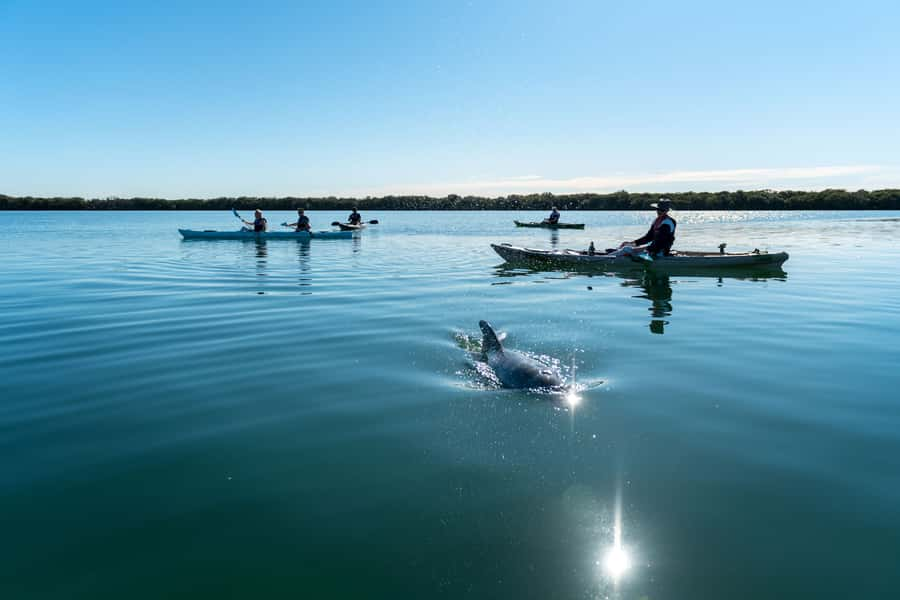
- Wild dolphins on their terms: You may see dolphins feeding, passing by, or swimming near the kayaks, but guides do not use bait or sounds to attract them.
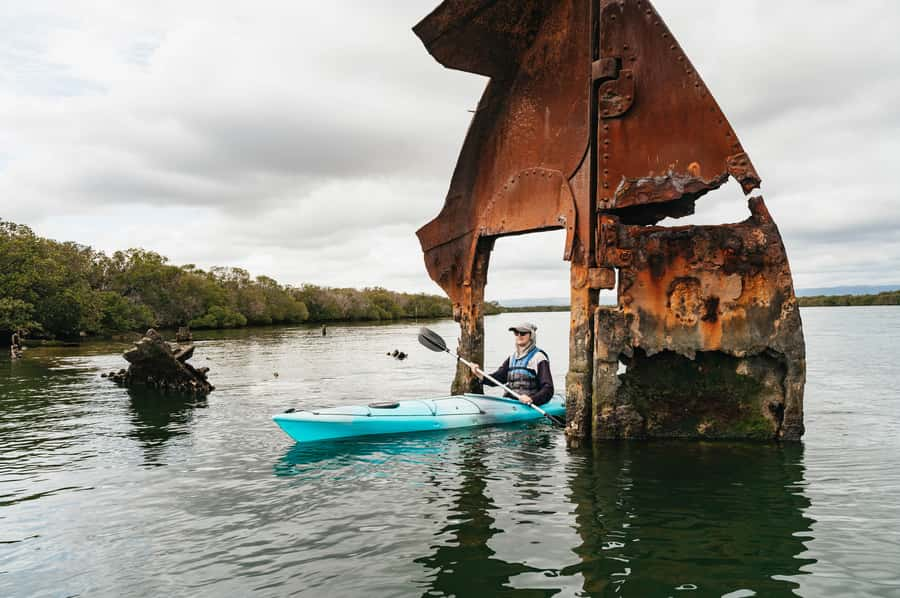
- Shipwrecks and local stories: Tide and wind permitting, you paddle near abandoned vessels from an earlier era.
- Beginner-friendly instruction: A safety briefing and kayak practice help first-time paddlers get comfortable before the group moves into the sanctuary.
- Three hours on the water: The pace is gentle enough for many people with modest fitness, though wind, tide, and paddling ability can change the effort required.
- A useful $55 price: With a kayak, life jacket, guide, water refills, and waterproof bag included, the cost is fair for a half-day nature outing.
Starting at Angas Inlet Boat Club
You meet at Angas Inlet Boat Club, Lot 204 Garden Island Road, Port Adelaide. This is not a hotel pickup experience, so plan to reach the site by your own car or taxi. One participant received help getting to Port Adelaide station after the tour, but you should not count on a transfer unless the operator confirms it.
Arrive ready for the water. Bring a sun hat, food, drinks, a waterproof camera, and biodegradable sunscreen. Mosquito spray is especially useful around the mangroves. Some equipment and supplies may be available at the base, but it is wiser to bring your own insect repellent and not rely on spare stock.
The setting is practical rather than polished. You are at a working boat-club area, not a resort with changing rooms and a full café. That suits the experience: the focus is on getting you safely into the sanctuary, not on dressing up the departure point.
More Wildlife Kayak Tours in Australia
- Epic Kayak With Dolphins & Wildlife – 4WD Beach Adventure Noosa
★ 5.0 · 366 reviews - Dolphin Sanctuary Kayak Tour Adelaide
★ 4.5 · 355 reviews - Adelaide Dolphin Sanctuary and Ships Graveyard Kayak Tour
★ 5.0 · 275 reviews
The first 15 minutes: safety and kayak practice
The tour begins with a safety briefing and a demonstration of the equipment. You receive a kayak, life jacket, waterproof bag, and instructions on paddling and steering. Guides work with beginners before the group heads out, which matters because a kayak feels less natural until you learn how to keep the bow straight and make small steering corrections.
You do not need previous kayaking experience. Several first-time paddlers found the introduction enough to feel secure, and guides have helped people who struggled with technique during the outing. The boats are stable enough that falling in is not expected, but capsizing is possible. One couple capsized early on a windy day and received immediate help, so listen carefully and dress for the possibility of getting wet.
Children must be at least 10 years old, able to paddle, and accompanied by an adult in a double kayak if they are 10 to 15. This is not suitable for children under 10, wheelchair users, or people with mobility impairments.
Into the Adelaide Dolphin Sanctuary
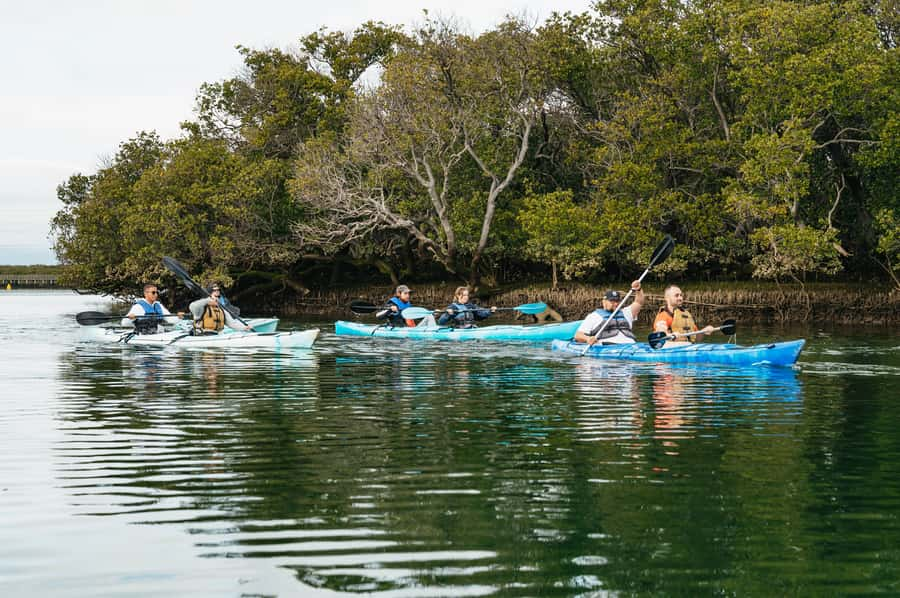
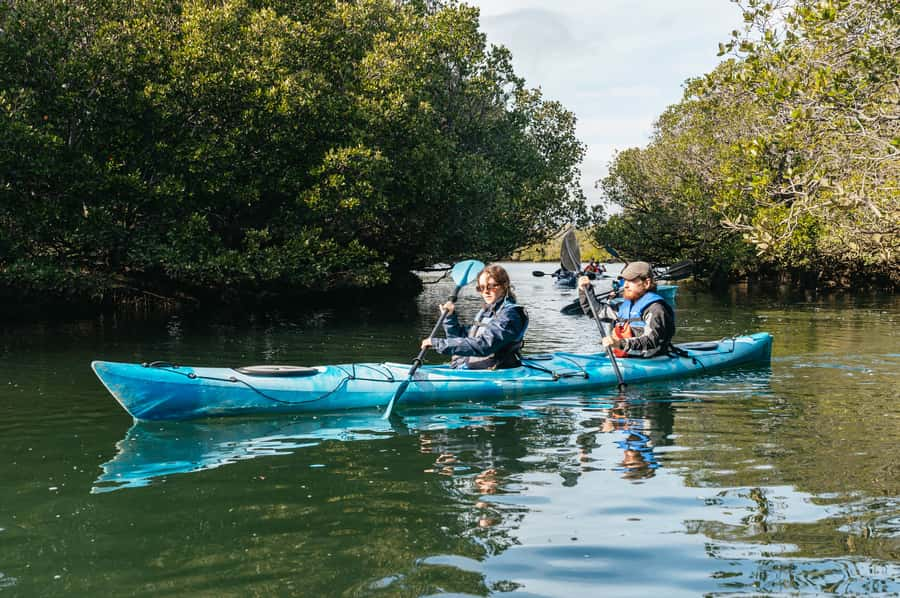
Once you leave the starting point, the tour follows the creeks and channels of the Adelaide Dolphin Sanctuary. The area is shaped by tides, with mangroves, saltmarsh, seagrass, and exposed tidal flats creating feeding and breeding areas for marine life.
This is the part I would value even if no dolphin appeared. The mangrove passages give the trip its character. Low branches can bring you close to the water, while the narrow channels make you slow down and pay attention to the small details around you. You might see birds, fish, and other creatures, but the exact wildlife changes with tide, weather, and luck.
Your guide provides the natural context as you paddle. Guides including Alex, Fiona, Liam, Mark, Paddy, Brayden, Sarah, and Kendall have been praised for explaining the local plants, dolphin behavior, shipwrecks, and water conditions in an easygoing way. Guide quality matters here because much of the sanctuary’s appeal is not obvious at first glance. A good explanation helps you understand why mangroves matter, not just what they look like.
Some people find the mangroves more memorable than the dolphins. That is worth keeping in mind when you decide if this tour suits you. You are not buying a guaranteed animal encounter. You are paying for time in a protected coastal ecosystem, with dolphins as a possible bonus.
Looking for dolphins without chasing them
Dolphins are the headline attraction, and you may see them soon after leaving the boat club. Some outings have produced sightings within minutes, including close views of mothers and calves. Other groups have seen dolphins farther away, briefly, or not at all.
The operator’s approach is one of the strongest parts of the experience. Guides do not use bait or artificial sounds to draw dolphins toward the kayaks. If a mother and calf appear, the group may stop paddling and keep quiet, allowing the animals to choose their own route. You might watch from a respectful distance as dolphins feed, pass through, or move back toward open water.
That restraint means the experience can feel less predictable than a captive-animal attraction. It also means it is more honest. I would book this only if you can enjoy the mangroves and birds even when the dolphins stay out of sight. If seeing a dolphin is your only reason for going, you may finish disappointed despite a well-run tour.
The sanctuary has produced memorable encounters, including dolphins swimming under kayaks and families of dolphins feeding near the group. Such moments are possible, but they depend on wild animals, tide, weather, and timing. No guide can control those factors.
Same shoreline, another way to paddle it:
- Sydney: Harbour Sunrise Kayak Tour
★ 5.0 · 1,899 reviews - Magnetic Island Discovery Tour with Snorkeling & Paddle Boarding
★ 5.0 · 1,372 reviews - Byron Bay: The Byron Bay Sea Kayak Tour
★ 4.6 · 1,207 reviews - The Freycinet Paddle
★ 5.0 · 985 reviews
Shipwrecks, tides, and a route that can change
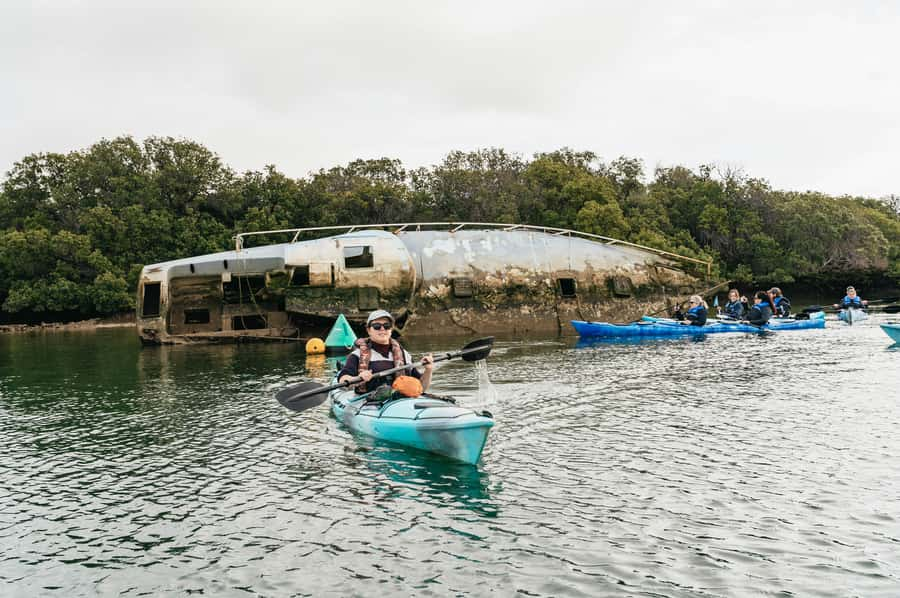
The tour may also take you close to old shipwrecks abandoned in the area. These remains add a strong sense of place, linking the natural sanctuary to Port Adelaide’s maritime past. Paddling near a rusting wreck from a kayak gives you a much more immediate view than seeing it from shore.
The shipwreck section is not guaranteed. Wind can make the route unsafe or too demanding, and the tide may affect how close you can get. One outing reached the mangroves but could not complete the full route to the wrecks because of wind. Another group later managed the shipwreck area on calmer water.
Tide can affect the effort in other ways. At low tide, kayaks may ground in shallow areas, and you might need to get out briefly to lighten the boat or walk it toward deeper water. This is not a reason to avoid the tour, but it explains why the same route can feel different from one departure to the next.
The operator may cancel if conditions are unsuitable. That can be frustrating when you have arranged your day around the tour, but it is the right call for a narrow waterway activity. If you prefer a calm, easy paddle, check the forecast and be prepared to reschedule.
How hard are three hours of kayaking?
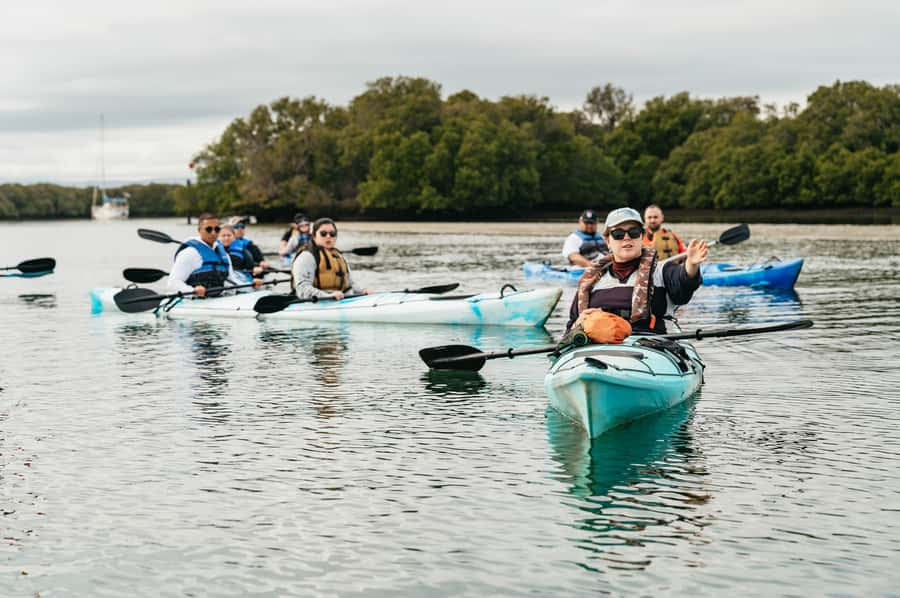
The tour is generally paced for mixed ability. Beginners are not expected to race, and guides stop to explain what you are seeing and to help anyone who needs assistance. Several people with little or no experience found the three hours manageable, and one 66-year-old participant with two prosthetic hips considered the outing within her abilities.
Still, three hours is real exercise. Paddling into wind can work your shoulders and arms, while steering and staying with the group require steady attention. Experienced paddlers may find the pace slow, especially if many beginners need extra help. One participant suggested separating stronger paddlers from less experienced people, which points to a genuine tradeoff: a relaxed group pace helps first-timers but may frustrate confident kayakers.
You can make the outing easier by using the briefing well, keeping your strokes smooth, and not trying to power ahead. The guides can adjust the pace and route, but you remain responsible for paddling your kayak. Children must be able to contribute rather than simply sit in the boat.
The water may be shallow in places, but do not treat that as permission to ignore safety instructions. Wind, tide, boat traffic, and distance from the starting point still matter.
What is included, and what should you bring?
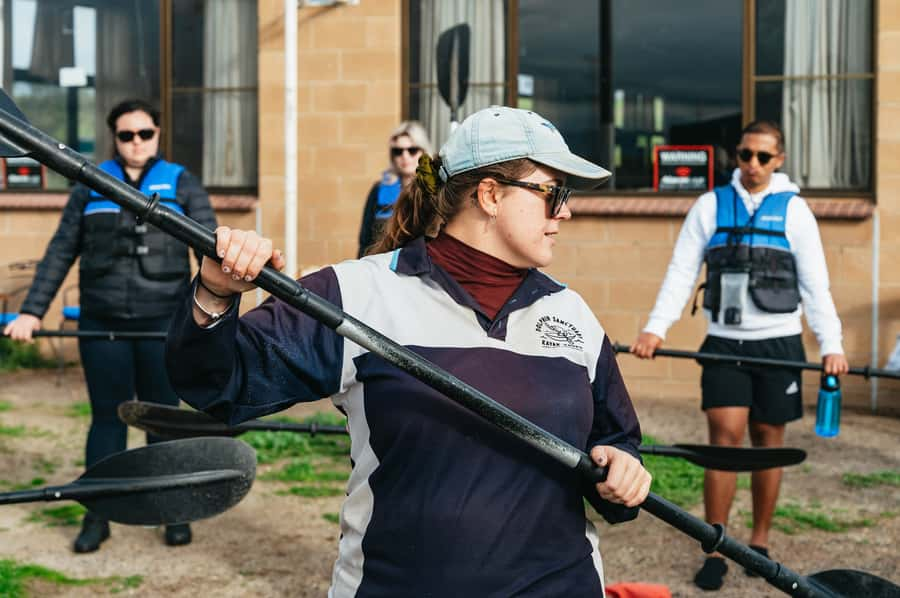
The $55 price covers the guided tour, kayak, life jacket, water refills, and a waterproof bag. A marine biologist leads the experience, giving the fee more substance than a basic equipment rental. You are paying for instruction, route planning, safety support, and interpretation of the sanctuary as well as the boat itself.
You need to provide your own food and drinks. Bring enough water for your needs, even though refill water is available. A small snack can be useful after paddling, but eat before the tour if you do not want to carry food on the kayak.
Pack these items:
- Sun hat
- Biodegradable sunscreen
- Mosquito spray
- Food and drinks
- Waterproof camera or phone protection
- Clothes that can handle splashes
The waterproof bag is useful, but I would still keep expensive electronics in a sealed case if you have one. Cameras can capture the mangroves and wrecks, yet you should be ready to put the camera away when dolphins appear. Watching safely and quietly is more important than getting a perfect photograph.
One practical weakness is the lack of a toilet stop during the three hours. Use the facilities before departure and plan accordingly.
A closer look at the guide-led experience
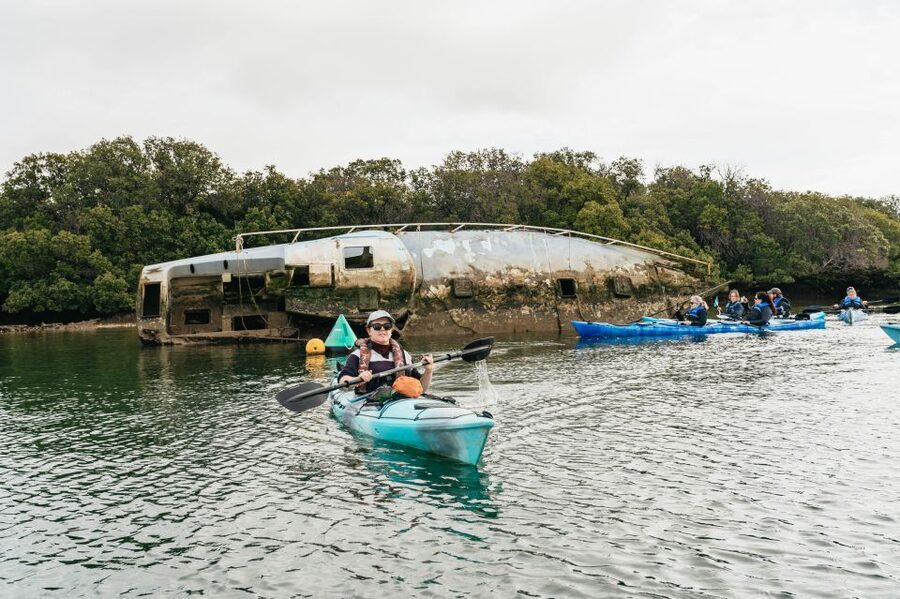
The guides are central to the tour. Alex has been noted for explaining the sanctuary and helping beginners feel safe. Paddy has been praised for adapting the pace and route. Mark has taught kayak basics and shared information about the dolphins, while Liam and Kendall have helped paddlers with technique and explained the local species.
You may not have any particular guide on your departure, but the repeated strength of the guiding team is important. This is not a silent rental where you receive a kayak and are left to figure out the creeks alone. You have someone watching the group, helping with paddling, and explaining what makes the area special.
The best guides also know when to stop talking. If dolphins arrive, the group needs quiet. If the tide or wind changes, practical judgment matters more than a prepared speech. One small criticism is that not everyone can always hear every explanation, especially in a spread-out group. Stay close enough to the guide to catch the information.
The experience is in English. If you want a detailed account of the area’s ecology and maritime past, listen actively and ask questions during stops.
Is $55 good value in Adelaide?
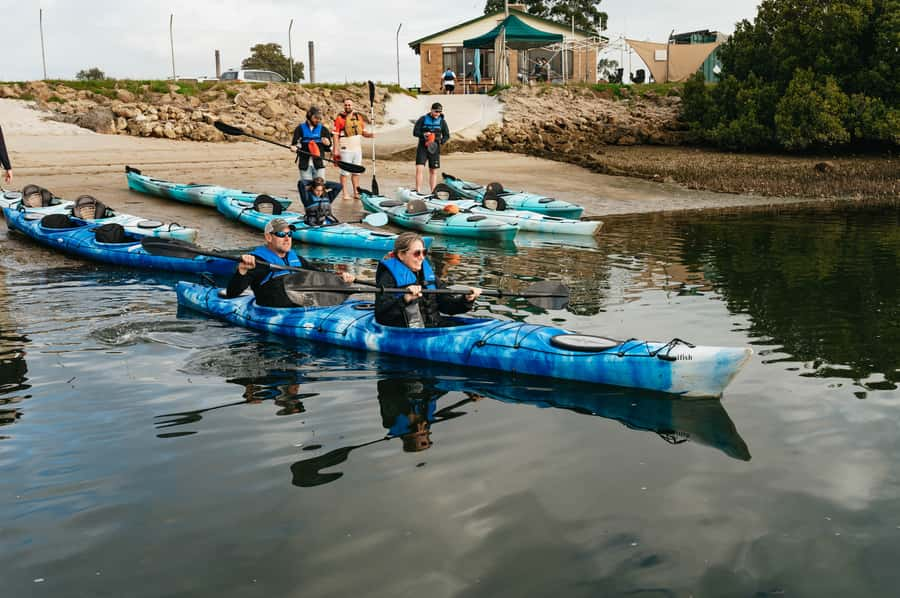
At $55 per person, this is a strong-value half-day activity if you want nature rather than a polished attraction. You receive equipment, instruction, a marine biologist guide, and roughly three hours on the water. A dolphin sighting can make the outing unforgettable, but the base value comes from exploring the mangrove sanctuary with support and interpretation.
The price looks less attractive if you want a guaranteed wildlife show, a short paddle, or a comfortable shore-based activity. You also need to arrange your own transport and bring your own food. Weather or tide may shorten the route to the wrecks, and dolphins may remain absent.
I would compare it with the cost of a standard wildlife attraction in Adelaide. Here, the experience is less certain but more connected to the animals’ real habitat. You trade control for authenticity. For many people, that is a fair exchange.
Who should book this tour?
I would recommend it to you if you enjoy quiet outdoor activities, want a close look at mangrove ecology, or are curious about Adelaide’s less familiar coastal side. It also suits families with children aged 10 and over who can paddle, couples seeking a calm shared activity, and first-time kayakers who appreciate patient instruction.
It is a good choice for people who care about wildlife ethics. The guides allow dolphins to decide how close they come, rather than forcing an encounter. It also suits anyone who wants to learn, since the marine biologist guide adds useful context about plants, fish, birds, tides, and dolphin behavior.
Think twice if you dislike getting wet, cannot paddle for an extended period, need frequent toilet access, or require a wheelchair-accessible activity. Strong wind can make the outing harder, and confident kayakers may find the group pace conservative.
Final call: book it for the sanctuary, not a guarantee
I would book the Adelaide Dolphin Sanctuary Eco Kayaking Tour if you can treat dolphins as a lucky bonus rather than the product’s promise. The mangrove creeks, shallow tidal channels, wildlife, and shipwrecks give the trip enough substance on their own.
Choose a calm-weather day if your schedule allows, bring mosquito spray, use the toilet before leaving, and arrive ready for three hours of paddling. At $55, it offers a practical and thoughtful way to see Port Adelaide’s coastal ecosystem without disturbing the animals that live there.
FAQ
Where does the kayak tour begin?
It begins at Angas Inlet Boat Club, Lot 204 Garden Island Road, Port Adelaide SA 5015.
How long does the activity last?
The experience lasts about three hours, with a safety briefing and equipment demonstration at the start.
Do I need previous kayaking experience?
No. The guides provide demonstrations and basic instruction, and the tour moves at a comfortable pace for beginners.
Are dolphin sightings guaranteed?
No. Dolphins are wild animals, so sightings depend on conditions and their movements. The shipwreck route is also not guaranteed.
Are children allowed to join?
Children must be at least 10 years old and able to paddle. Children aged 10 to 15 must share a double kayak with a parent or another adult.
What equipment is included?
The tour includes a kayak, life jacket, waterproof bag, and water for refilling your drink bottle. A guided tour with a marine biologist is also included.
Can I cancel the booking?
You can cancel up to 24 hours before the activity for a full refund. You can also reserve now and pay later.
Fresh kayak reviews from Australia
- From Perth: Rockingham Seal & Penguin Islands Sea Kayak Tour★ 4.5 · 42 reviews
- Gold Coast: Kayaking and Snorkeling Guided Tour★ 4.1 · 36 reviews
- Exmouth: Lagoon Explorer – Full day kayak & Snorkel tour★ 4.7 · 6 reviews
- Exmouth: Half Day Turtle Kayak & Snorkel Tour★ 4.8 · 35 reviews
- Canning River Half-Day Kayak Wildlife Tour★ 4.8 · 17 reviews
- Byron Bay: Brunswick River Sunset Kayak Tour★ 4.3 · 8 reviews
- Byron Bay: Group 2.5 Hour Stand-Up Paddle Board Tour★ 4.9 · 6 reviews
- Byron Bay: Brunswick River Scenic Kayak Tour★ 4.6 · 27 reviews
Wildlife Kayak Tours, compared.
Tenerife: Kayak and Snorkel with Turtles, Wetsuits Included
Read our review →
Crystal River Three Sisters Springs and Manatee Clear Kayak Tours
Read our review →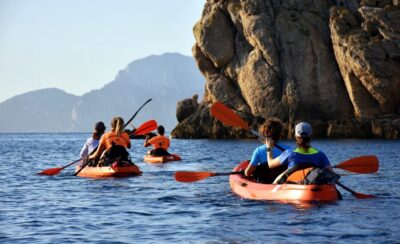
Golfo Aranci: Kayak Tour with Dolphins and Aperitif
Read our review →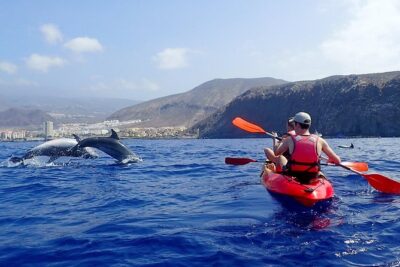
Tenerife: Turtle & Dolphin Kayak Tour with Snorkel & Wetsuit
Read our review →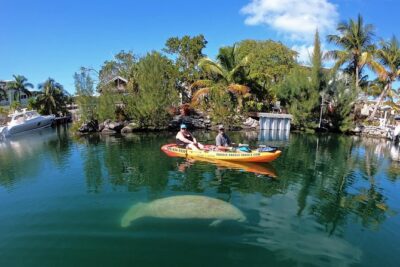
Mangroves and Manatees – Guided Kayak Eco Tour
Read our review →
Dolphin, Manatee and SeaTurtle SUP Adventure Tour of St Augustine
Read our review →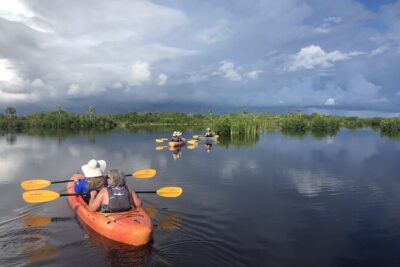
Manatees and Mangrove Tunnels Small Group Kayak Tour
Read our review →
Mangroves, Manatees, and a Hidden Beach: Kayak Tour
Read our review →Browse the lists this tour appears in