
Review · NEW ZEALAND KAYAKING TOURS
Whangamata: Donut Island Guided Kayaking Experience
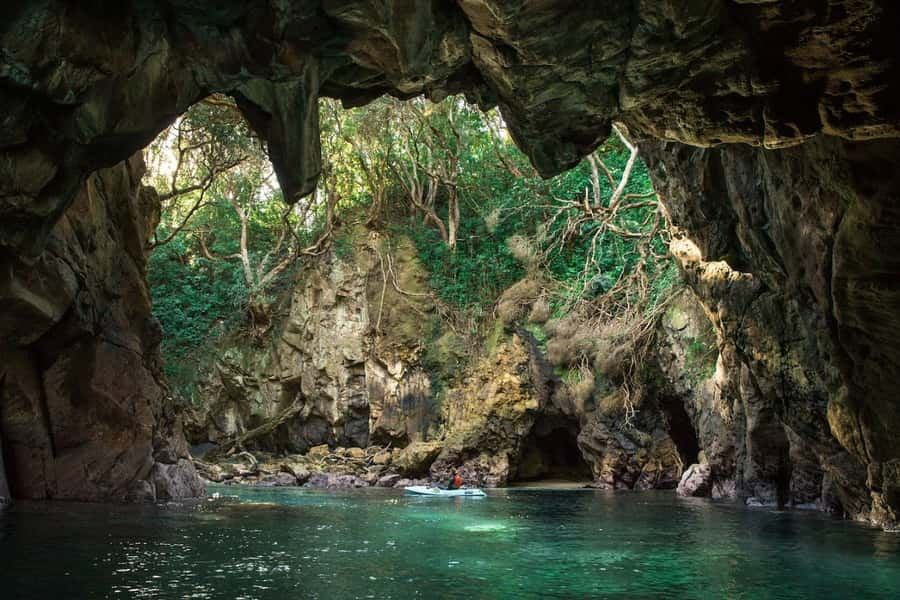
The best part of this two-hour kayaking trip is the narrow paddle into Donut Island’s hidden lagoon. You leave from Whangamata Beach, cross only about 600 metres of open water, then aim for a rocky entrance that kayaks can reach when wind and swell allow. Inside, volcanic cliffs and native bush make the place feel far removed from town.
I like the small groups of up to eight, which give guides such as Dylan, Hannah, Mauro, and G more room to help beginners. I also like the respectful approach to this wildlife sanctuary, plus the chance to stop for a swim or sip kawakawa tea on another island. The main catch is simple: rough seas can close the entrance, and even low tide may make the approach tricky.
Key points at a glance
- Paddle 600 metres from Whangamata Beach: The crossing is short, but open water, wind, and waves still matter.
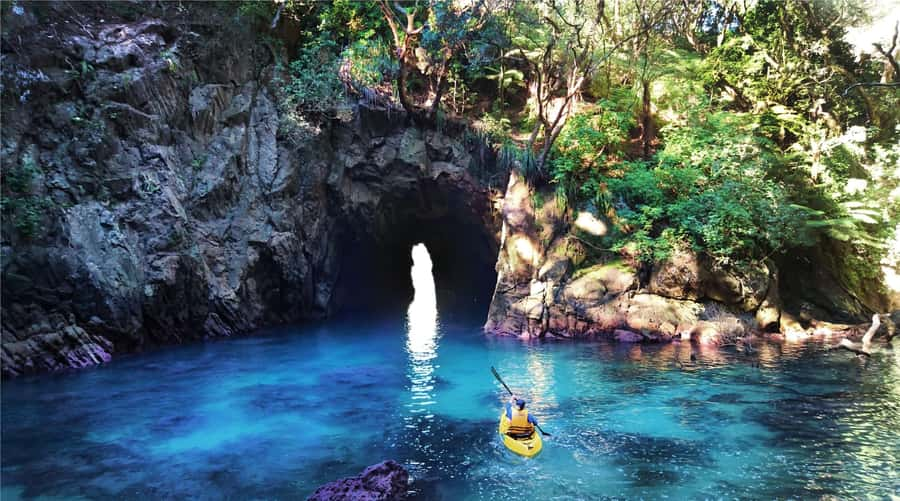
- Enter a volcanic island lagoon: The narrow passage leads into turquoise water enclosed by rock and native vegetation.
- Small groups of eight or fewer: Guides can give close help, useful if you are new to kayaking.
- Kawakawa tea may be part of the day: If the main island is unsafe, another island and a remote beach provide a worthwhile alternative.
- Weather controls the itinerary: You may enter Donut Island, view it from outside, or visit a different island instead.
- Bring swimwear and a towel: Swimming is allowed when conditions suit, and you will receive a wetsuit, life jacket, paddle, kayak, and dry bag.
Why Donut Island feels special from the water
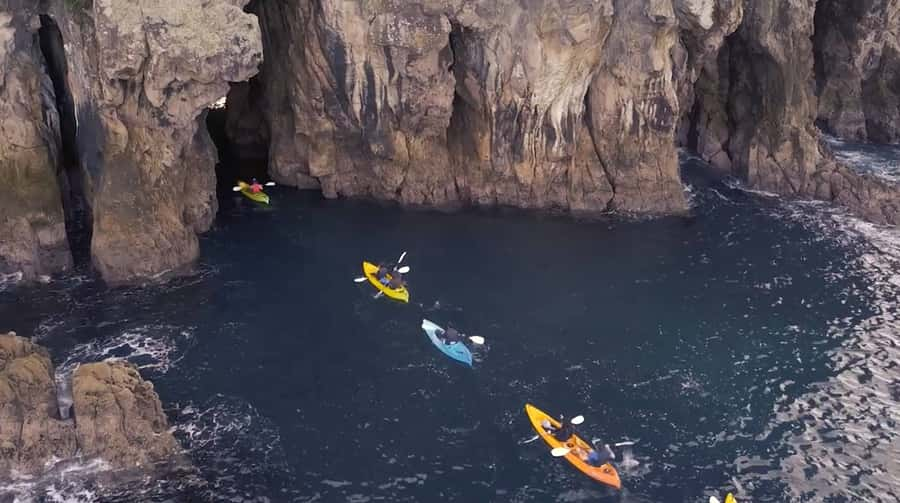
Donut Island, known locally as Whenuakura, is one of several islands off Whangamata with wildlife sanctuary status. Its unusual shape creates a lagoon enclosed by volcanic rock, with a narrow opening that limits access.
That entrance is the reason this trip feels different from a standard beach paddle. You are not simply kayaking along a broad shoreline. You are trying to line up with a small passage where the sea meets the island, then moving into a sheltered pocket surrounded by dark volcanic cliffs and native plants.
The rock formations date back thousands of years. You will not get a long geology lecture in two hours, but your guide can connect the rock, island shape, local wildlife, and history of the Whenuakura area. That added context gives the short outing more meaning than a simple photo stop.
The sanctuary status also matters. The islands are not just scenic backdrops. The tour asks you to act as a guardian by treating the area carefully, keeping the surroundings clean, and respecting the wildlife. I appreciate that message because it fits the place. A small island with limited access cannot absorb careless behavior forever.
More Island Kayak Tours in New Zealand
- Sunset kayak tour to Rangitoto Island
★ 5.0 · 168 reviews - Day Cruise & Island Tour – Snorkel/Wildlife/Paddleboard/Islands
★ 5.0 · 121 reviews - Day sea kayak tour Rangitoto Island
★ 5.0 · 79 reviews
Starting at Whangamata Beach
You meet at 100 Pipi Road in Whangamata. The tour includes your kayak, paddle, life jacket, dry bag, and wetsuit, so you do not need to arrange basic water gear separately.
Bring a hat, swimsuit, sunscreen, water, beach sandals, a towel, and a full change of clothes. The dry bag helps protect small items, but I would still leave anything fragile or valuable behind unless you truly need it. You should expect to get wet, even if your kayak stays upright.
After a short safety briefing, the group heads out from the beach. The kayaks are described as easy to use, and first-time paddlers have managed the trip successfully. Still, this is not a flat-water pond. You must accept the possibility of capsizing in deep water, as well as contact with rocks, waves, and wind.
The short distance to the island can be deceptive. Six hundred metres sounds modest, but wind can make the return crossing feel harder than the outward paddle. Your guide sets the pace and watches the conditions, so stay with the group rather than racing ahead.
The 600-metre crossing to Whenuakura
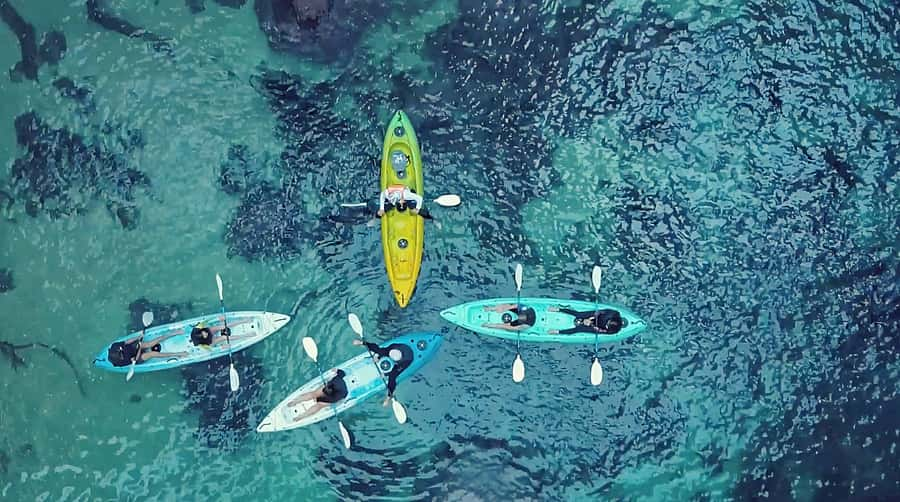
The crossing gives you open views toward the islands and coast. You will have time to get comfortable with the kayak, find a steady rhythm, and learn how your paddle responds to the water.
This is where the small group helps. With no more than eight participants, the guides can keep an eye on paddlers who need a little support. Dylan and Dakota, among others, have helped people regain confidence after a capsize, and the tour is suitable for capable beginners who listen carefully and follow instructions.
The water can be calm, but conditions change quickly around the coast. Wind may make the paddle workmanlike rather than effortless. That is not a flaw in the trip, but it is an important expectation. You are paying for a guided coastal outing, not a guaranteed glassy-water cruise.
I would avoid scheduling this as a tight connection before another important activity. Weather can change during the day, and the provider may need to adjust the route. Allow yourself a relaxed morning or afternoon rather than treating the two-hour duration as an exact promise from start to finish.
Entering the turquoise lagoon
The central moment comes when you approach the narrow entrance to Donut Island. Kayaks and paddleboards can fit through where larger boats cannot, but entry depends on swell, wind, and tide.
At the right moment, your guide will help the group approach safely. Inside, the lagoon opens around you. The water looks striking against the volcanic rock, while native plants and birdlife create a quiet setting that feels separate from the beach you left only minutes earlier.
This is the section that makes the price worthwhile for me. You are not just looking at an island from a boat. You are carefully passing into its unusual interior, with the guide explaining how access and conditions shape the visit.
The lagoon is not enormous. One person found it smaller than expected, especially at low tide, and the entrance can feel rough then. That is useful to know. Do not picture a huge inland lake or a long cave system. Picture a compact, dramatic volcanic enclosure reached by kayak, with the quality of the moment depending heavily on sea conditions.
You may be able to stop for photographs from the kayak, and you might spot native birds. A lucky outing can include a little blue penguin near the rocks or cave area, but wildlife sightings are never guaranteed. Keep your camera ready, but do not let the search for a perfect picture distract from paddling safely.
Same shoreline, another way to paddle it:
- Cathedral Cove Kayak Tour
★ 5.0 · 887 reviews - Twilight Glowworm Kayak Tour – Lake Karapiro
★ 5.0 · 493 reviews - Wildlife Sea Kayaking Tour – Kaikoura
★ 5.0 · 467 reviews - Seal Kayaking Adventure in Kaikoura
★ 5.0 · 422 reviews
What happens when the entrance is closed
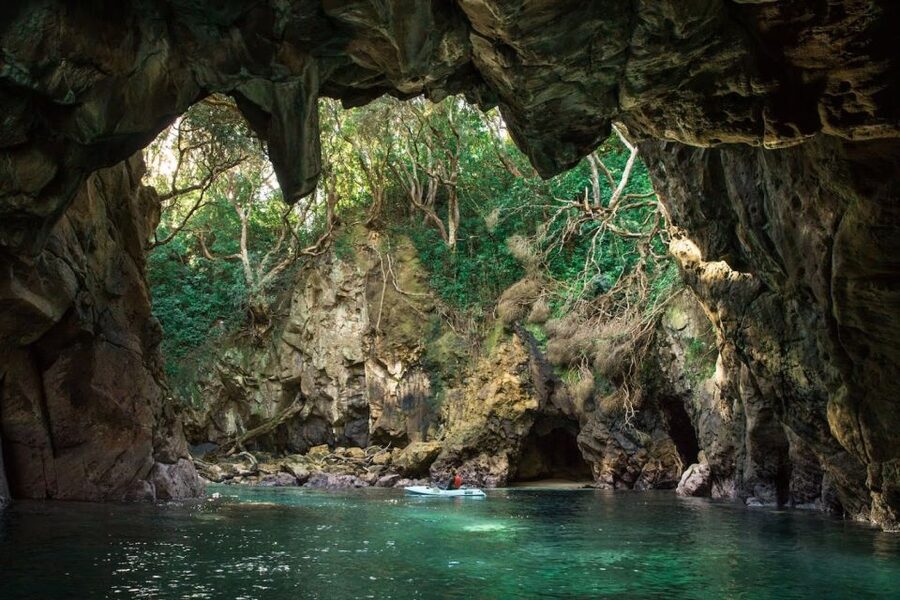
The tour operator does not force the Donut Island entrance when conditions are unsafe. If the swell or wind is too strong, the group may stay outside the island or visit another island and beach instead.
That alternative is not merely a consolation prize. The other island can offer a quiet beach, time to explore, and kawakawa tea made with local leaves. Several guides have used this option when the main entrance was too rough, and it has turned a weather-limited outing into a worthwhile coastal trip.
Still, you should book with realistic expectations. If entering the lagoon is the one reason you are coming to Whangamata, there is a genuine chance you will not get inside. One of the best practical tips is to ask about conditions before arrival and, if your schedule allows, move to another day when the sea is calmer.
The provider may seek an alternative date or activity when weather cancels the tour. If no suitable option is possible, the full cost is refunded. You can also cancel up to 24 hours before departure for a full refund, which makes early planning less risky.
The guides make the difference
The guide is important here because the route is short but conditions are not always simple. A good guide must judge the entrance, keep beginners together, explain how to handle the kayak, and know when to turn back.
The team includes guides such as Dylan, Hannah, Mauro, G, Molly, Francois, Jim, Ben, Elliot, Bella, Adam, and Dakota. Names may vary by departure, but the consistent strength is their friendly, hands-on approach. They explain the islands, local culture, conservation, and natural features without turning the trip into a classroom.
Mauro has been singled out for his knowledge of the island and wildlife, while Hannah and Dylan have earned praise for combining clear help with a light touch. G is described as easygoing, and Jim and Ben handled a rough day in a way that helped the group stay calm.
That matters if you have never kayaked before. You will still need basic balance and enough mobility to paddle, but you do not need advanced technique. The group setting also means you can ask questions without feeling as if you are holding up a large tour.
Tea, swimming, and the human scale of the trip
Swimming is allowed whenever conditions make it sensible. The supplied wetsuit helps in cool water, but you should still bring a towel, dry clothes, and sandals for the beach.
The kawakawa tea stop is one of the nicest details. It adds a local touch and gives you a chance to pause on a beach rather than spending every minute in the kayak. It also makes the alternative route feel intentional rather than like a failed attempt at Donut Island.
The stop is not guaranteed as a separate feature of every outing, and the exact route depends on conditions. If you are hoping to get out and explore on foot, ask your guide what is possible that day. Most of the main island viewing is done from the kayak, and one practical criticism is that some people would prefer more time off the boat.
The sanctuary setting calls for restraint. Do not chase birds, remove plants, leave food behind, or treat the lagoon as a private swimming pool. The best part of this visit is its quiet, limited-access character, and that depends on everyone behaving well.
Is $62 good value?
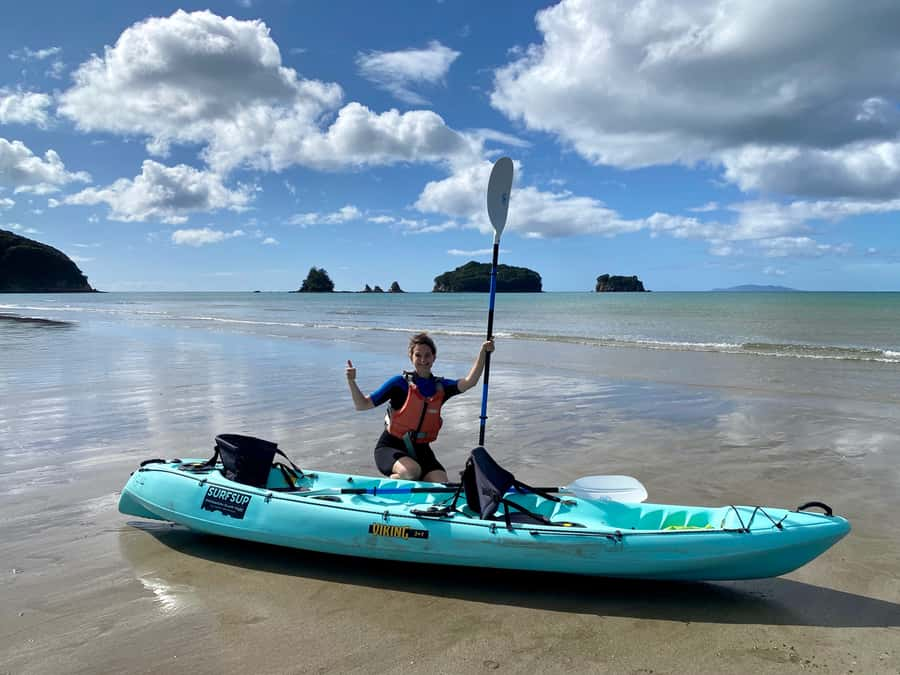
At $62 per person, this is a fair price for a two-hour guided outing that includes the kayak, paddle, wetsuit, life jacket, dry bag, and local guide. You are also paying for access to a place that is difficult to reach without the right watercraft and local judgment.
The value is strongest on a calm day when you enter the lagoon, hear the island’s story, see the volcanic formations, and have time for a swim or beach stop. In that case, the cost compares well with other short guided water activities because the setting is distinctive and the group is small.
Value is less certain if rough seas prevent entry and you have no interest in the alternative island. The provider does make a real effort to offer another route, but you should decide in advance if a beach, tea, and coastal paddle would still satisfy you.
The free cancellation up to 24 hours before departure and the option to reserve without paying immediately make it easier to wait for a favorable weather window. Do not confuse that flexibility with a promise of calm water. Conditions can change by the hour.
Who should book this Whangamata kayak trip?
I would choose this for couples, friends, solo visitors, and families with capable older children who want a short but active outing. It is especially good for first-time kayakers who want a guide close by and do not want to commit to a full-day paddle.
You should be comfortable sitting in a kayak on open water and dealing with some spray, movement, and physical effort. The tour is not suitable for pregnant women, wheelchair users, or people with visual impairments. The listed weight limit is 275 pounds, or 125 kilograms.
Tell the operator about existing health problems before you arrive. Alcohol and drugs are not allowed, and all tours are conducted in English.
Photographers will enjoy the volcanic cliffs and lagoon, but do not expect endless time for posed shots. Wildlife lovers should like the sanctuary setting, while swimmers will value the chance to get in the water when conditions allow. If you mainly want a guaranteed cave or lagoon entry, schedule with flexibility and keep the weather policy in mind.
My verdict: book it for the setting, not a guarantee
I would book the Whangamata Donut Island kayaking trip if I had a flexible half-day and wanted a close look at the coast without signing up for a demanding expedition. The lagoon, volcanic rock, native bush, and small group create a memorable outing, and the guides add real value for beginners.
I would not book it on a rigid schedule if entering the island were my only acceptable result. Wind, swell, tide, and the narrow entrance all have the final say. Pick a day with room to change plans, bring clothes for getting wet, and treat the alternative beach and kawakawa tea as part of the adventure rather than a backup to complain about.
FAQ
How long is the Donut Island kayaking experience?
The tour lasts two hours.
How far is Donut Island from Whangamata Beach?
The island is about 600 metres from Whangamata Beach.
What is included in the price?
The $62 price includes a kayak, paddle, local guide, life jacket, dry bag, and wetsuit.
What should I bring?
Bring a hat, swimwear, sunscreen, water, a beach towel, a change of clothes, and beach sandals.
Can I swim during the tour?
Yes. You may swim when conditions make it safe and suitable.
Can rough weather stop the group from entering Donut Island?
Yes. Wind, swell, waves, and tide can make the narrow entrance unsafe. The group may visit another island and beach instead.
Is the tour suitable for first-time kayakers?
Yes. The experience is described as manageable for people who have never kayaked, but you must be prepared for deep water, rocks, waves, wind, and the risk of capsizing.
Where does the tour meet?
The meeting point is 100 Pipi Road, Whangamata 3620, New Zealand.
Fresh kayak reviews from New Zealand
- From Queenstown: Dart River Canoe & Jet Boat Day Trip★ 4.8 · 148 reviews
- Franz Josef: Kayak & Walking Tour to Okarito Kiwi Sanctuary★ 4.9 · 61 reviews
- Epic Tandem Kayak Tour down the Kaituna River Waterfalls★ 5.0 · 6 reviews
- Christchurch: Waka Paddling Experience on the Avon River★ 4.8 · 7 reviews
- Christchurch: Sea Kayaking Tour of Lyttelton Harbour★ 5.0 · 6 reviews
- Auckland: Browns Island (Motukorea) Sea Kayak Tour★ 5.0 · 22 reviews
- Auckland: Bioluminescence Kayak Tour with Guide★ 4.4 · 42 reviews
- Auckland: City Lights Night Kayak Tour★ 5.0 · 11 reviews
Island Kayak Tours, compared.
Halong Bay Day Tour With Titop Island, Cave, Kayak & Lunch
Read our review →
Phuket: James Bond Island Longtail Boat and Sea Canoe Tour
Read our review →
Kailua Bay, Oahu: Epic Kayak and Snorkel to Islands
Read our review →

James Bond Island with Canoeing and Lunch by Speedboat
Read our review →
Easy Ride Pedal Kayak Tour Marco Island & Naples (Pedal or Paddle
Read our review →
Pula: Cave Kayak Tour, Snorkeling and Island Jumping
Read our review →
Thousand Island Mangrove Tunnel, Manatee & Dolphin Kayak Tour w/Cocoa Kayaking
Read our review →Browse the lists this tour appears in