
Review · WORLDWIDE
Cartagena: FISHERMEN’S ISLAND IN THE MANGROVES by canoe
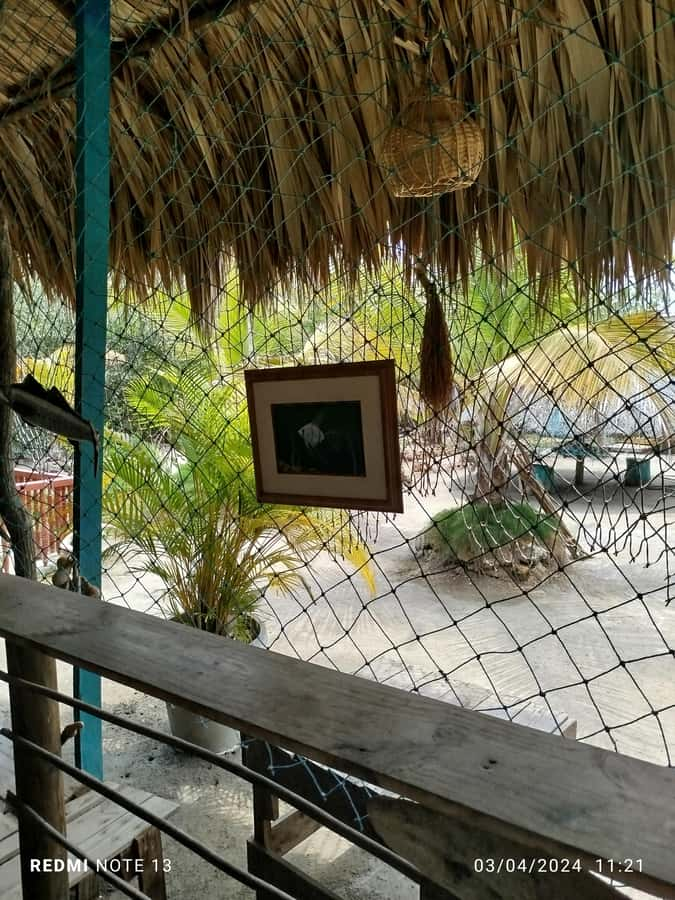
Cartagena’s Fishermen’s Island tour trades the city’s stone streets for a narrow canoe, three mangrove tunnels, and the quiet waters around the Virgin Reservoir. You’ll finish on a small island where local musicians and dancers share a slice of Caribbean life over a cold coconut.
I like the personal scale of the trip and the chance to learn about mangrove plants and animals from a local guide. I also like that the visit is not only about scenery: Domingo and Sandra are among the guides named by recent participants, and both are praised for their warmth and English. The main consideration is the meeting point in La Boquilla, which can feel rough or confusing at first, and return transport is not automatically included.
Key points to know
- Three mangrove tunnels: The canoe passes through natural corridors formed by tangled mangrove roots and branches.
- A local guide in the canoe: Guides explain the plants, birds, crabs, and other wildlife in English or Spanish.
- Fishermen’s Island visit: You meet island residents, hear local stories, and enjoy music, dancing, and a cold coconut.
- Wildlife depends on timing: You might see flamingos, pelicans, crabs, birds, amphibians, and reptiles.
- Private-group format: The experience is arranged for a private group, not a large shared boat.
- Pickup costs extra: Hotel pickup can be arranged from many parts of Cartagena, with an added charge of about $4 to $10 depending on location.
Leaving Cartagena for La Boquilla’s mangroves
The experience begins in or near La Boquilla, a coastal area northeast of Cartagena’s old center. The stated meeting point is near Caribe Blue, Manglares Hostel, the beach, and the mangrove area. You can also request pickup from much of the tourist zone, including Bocagrande, the walled city, Manga, Marbella, Crespo, Los Morros, and La Boquilla itself.
I would confirm the exact meeting point through WhatsApp before setting out. The provider coordinates transport there, and the beach approach may look different from the Cartagena most visitors know. One recent participant found the arrival area a little unsettling, while also noting that the canoe ride quickly brought a sense of calm. That is useful context: this is a local working area, not a polished marina with a row of matching tour boats.
If you arrange hotel pickup, ask clearly if you want only the ride to La Boquilla or a ride both ways. The details say several transport choices are available, but the mangrove activity itself does not automatically include a return to your hotel. Drop-off points are listed around La Boquilla and Caribe Blue, so plan the last part of your journey in advance.
More Mangrove Kayak Tours in the world:
- Sarasota Guided Mangrove Tunnel Kayak Tour
★ 5.0 · 2,440 reviews - Key West Mangrove Kayak Eco Tour
★ 5.0 · 2,205 reviews - Krabi: Kayak Adventure through Ao Thalane Mangrove Forest
★ 4.6 · 2,024 reviews
The first 30 minutes on a traditional canoe
The boat is a traditional fishing canoe, sometimes described in the timing notes as a raft. The canoe matters because it keeps you close to the water and lets the guide point out small details along the edges of the mangroves. This is a slower, quieter outing than a powered sightseeing boat.
The timing information gives roughly 30 minutes for the initial canoe segment, followed by the main guided route. The overall description calls the activity two to two and a half hours, while the itinerary lists several 30-minute and 1.5-hour segments. I would treat the tour as a short half-day outing rather than a tightly timed two-hour appointment. Ask for the day’s exact schedule if you have a flight, dinner reservation, or other fixed plan.
The canoe ride is also the best time to settle into the pace. You are not racing from one attraction to the next. The guide talks about local flora and fauna, and you may hear birds before you see them. Bring patience. Mangrove wildlife does not perform on command, and the quieter you are, the more likely you are to notice movement in the roots and branches.
Three mangrove tunnels through the Virgin Reservoir
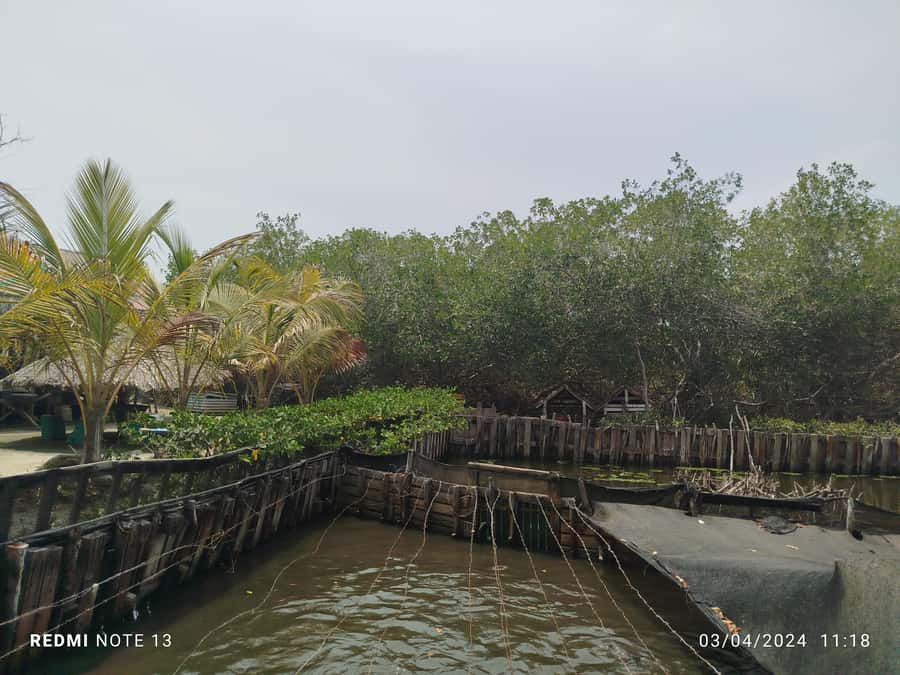
The central part of the outing follows three mangrove tunnels. These are natural passageways shaped by mangrove growth, with branches and roots forming a close, green corridor over the water. The route offers a very different view of Cartagena, one where the main sights are bird calls, reflections, roots, and changing light.
Your guide explains the role of the mangroves and points out the plants that grow in this wet environment. The tour information specifically includes observation of endemic mangrove flora, so you should expect more than a simple paddle through trees. The guide’s value is in showing you what you would likely miss on your own.
Wildlife sightings can include colorful crabs, flamingos, pelicans, various birds, amphibians, and reptiles. The exact list is never guaranteed, since sightings depend on the time of day and the conditions during your visit. Still, the tour gives you a good reason to watch the banks rather than simply taking photographs of the tunnel ahead.
I especially like the possibility of seeing crabs close to the canoe. They are easy to overlook, but a local guide who knows where to look can turn a quiet bank into the most interesting part of the ride. Bird sightings also vary, so this is better for people who enjoy watching and listening than for anyone expecting a fixed wildlife show.
What the guide adds to the ride
The guide is not only there to steer. The experience includes a native bilingual guide, with English and Spanish available, and the group is private. That combination should make it easier to ask questions and adjust the pace of the conversation to your interests.
Domingo and Sandra are two guide names associated with recent departures. Domingo was praised for staying attentive from the start through the end of the activity. Sandra was praised for her enthusiasm, English, and ability to explain plants and animals. Guides can change, so do not book on the assumption that one particular person will lead your canoe, but these names give you a sense of the local, personal approach.
The language support is important here. Mangroves can look repetitive if you do not know what to notice. A guide can explain why one plant differs from another, identify a bird call, or point out a crab tucked between roots. The experience becomes a lesson in the place, not just a scenic boat trip.
More Island Kayak Tours in the world:
- Phang Nga Bay Sea Cave Canoeing & James Bond Island by Big Boat
★ 5.0 · 4,666 reviews - Halong Bay Day Tour With Titop Island, Cave, Kayak & Lunch
★ 5.0 · 2,551 reviews - Phuket: James Bond Island Longtail Boat and Sea Canoe Tour
★ 4.8 · 2,364 reviews - Magnetic Island Discovery Tour with Snorkeling & Paddle Boarding
★ 5.0 · 1,372 reviews
Arriving at Fishermen’s Island
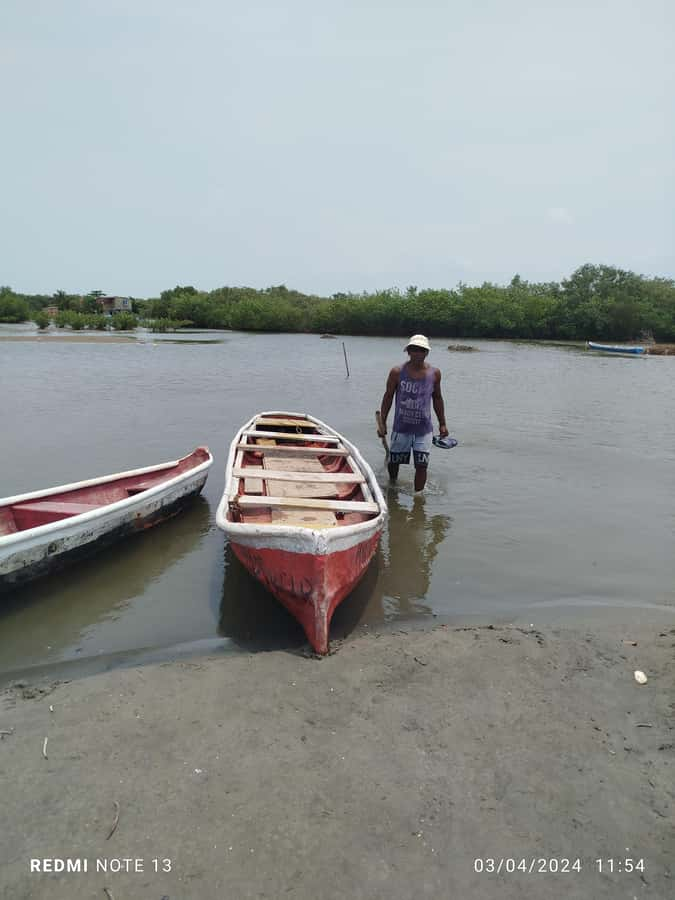
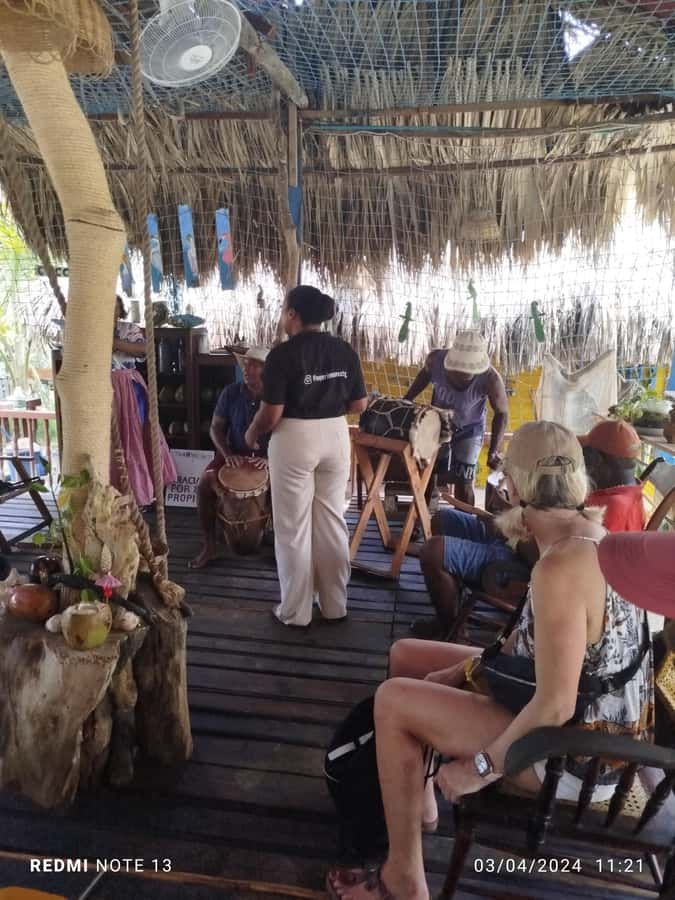
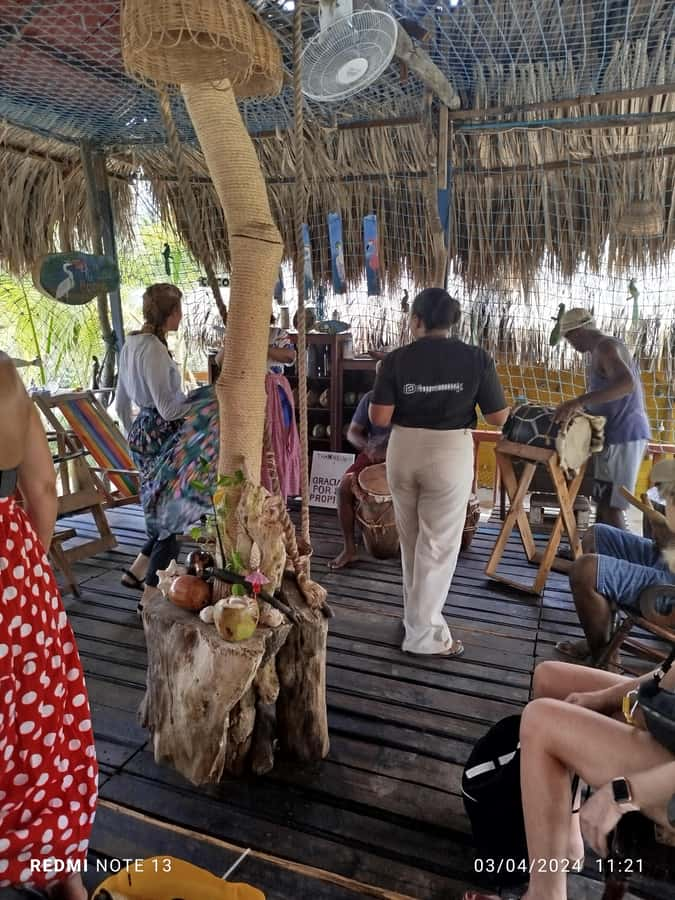
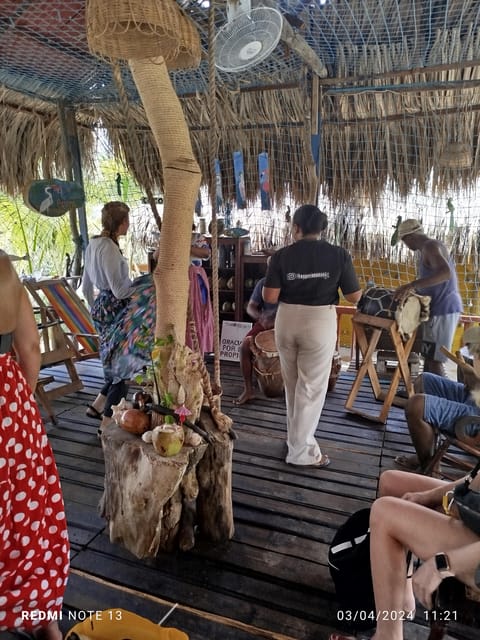
After the mangrove route, you reach Fishermen’s Island, also called Isla de los Pescadores. The stop shifts the focus from nature to people. You meet local residents and fishermen, hear about the area, and get a closer look at Caribbean traditions connected to the community.
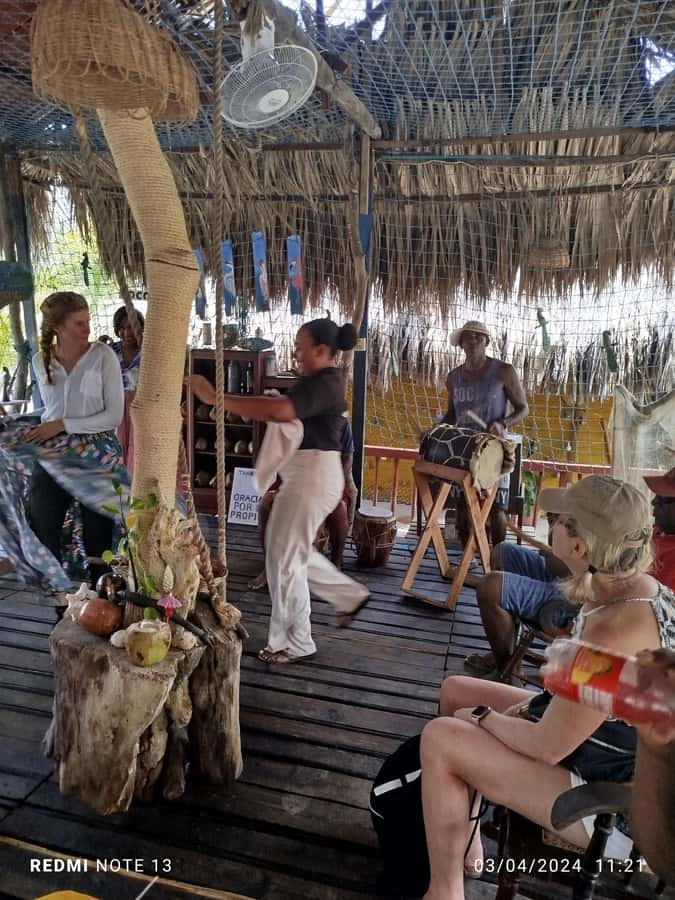
A cold coconut is included, which is a small but welcome touch after time on the water. The visit also includes music, dancing, and typical dance performances. You may listen to local musical groups, join in, or simply watch how the music shapes the welcome.
This part is not a formal museum visit. It is a community encounter, and the setting is modest. That can be its strength, since you are not being moved through a packaged cultural display with ten other groups. It also means you should arrive with the right expectations. The attraction is the direct contact, music, and conversation, not a large collection of exhibits or a long performance production.
The island stop gives the outing a useful balance. The mangrove route explains the natural setting, while Fishermen’s Island introduces the people who live and work around it. If you want only wildlife, this section may feel less focused. If you want to connect the waterway with local life, it is one of the most worthwhile parts.
Returning by canoe and planning your way back
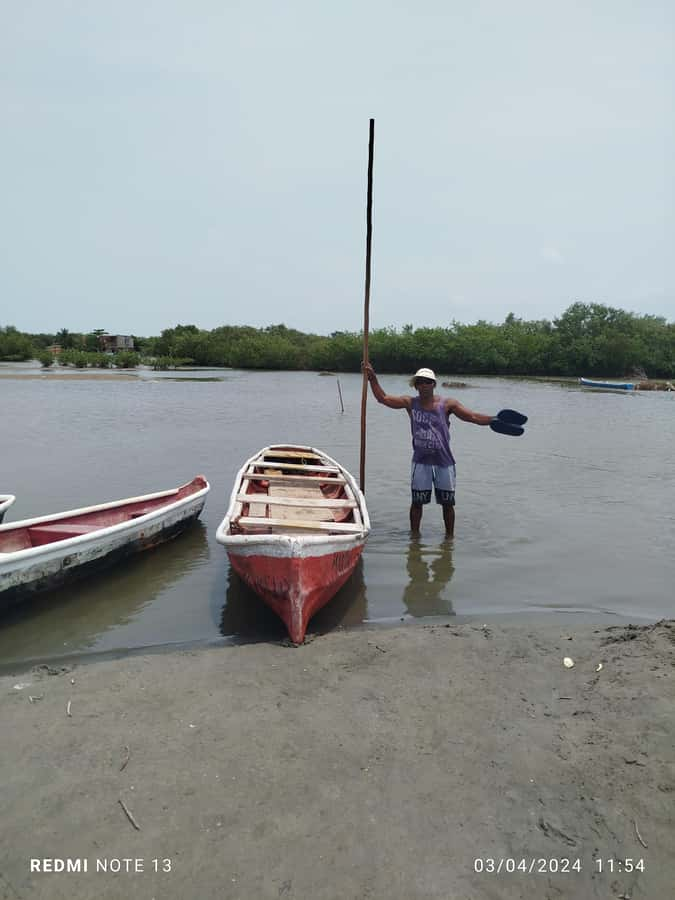
The listed schedule includes another 30-minute canoe segment after the island visit. You return through the waterways and toward the La Boquilla area, with more chances for scenery and wildlife. By this point, you will understand the route better, and the return can feel more relaxed than the initial departure.
Do not assume the final drop-off is your hotel. The activity information specifically warns that hotel return is not included unless arranged as part of the selected transport option. Confirm this before the tour, especially if you are staying in Bocagrande, the walled city, or another part of Cartagena.
The provider coordinates details through WhatsApp, so keep an eye on messages. Pickup from Cartagena’s tourist districts is available for an additional fee that usually ranges from $4 to $10 according to the pickup location. That extra charge can be reasonable if it saves you from sorting out transport to La Boquilla, but compare it with the cost and time of making your own way there.
Is $28 a fair price?
At $28 per person, the base price is attractive for a private, guided outing that combines a canoe ride, wildlife interpretation, a local community visit, music, dancing, and a drink. You are paying for more than a short boat loop. The value comes from the guide’s personal explanation and the change of setting from central Cartagena.
The price becomes less simple if you need hotel pickup. Add the stated $4 to $10 transport fee, and ask whether your option includes the return ride. Even then, the total can make sense for a small private group, particularly if you value local contact over a standard city excursion.
I would not choose this tour solely for guaranteed wildlife. Flamingos, pelicans, birds, crabs, amphibians, and reptiles are possible sightings, but nature decides what appears. I would choose it for the combination of wildlife, quiet water, local guiding, and the island visit. The animals are a bonus, while the cultural exchange is part of the main point.
The experience has a 4.5 rating from 12 ratings, and the strongest praise centers on attentive guides, clear explanations, authentic local contact, and the peaceful change once the canoe enters the mangroves. Those are the parts I would give the most weight when deciding.
Who will enjoy this Cartagena excursion?
I would recommend it to you if you like:
- Small-group or private activities
- Local guides who explain plants, animals, and community life
- Quiet water rather than a loud party boat
- Bird and wildlife watching without a guaranteed checklist
- Music, dancing, and direct contact with a local community
- A break from Cartagena’s central streets and historic buildings
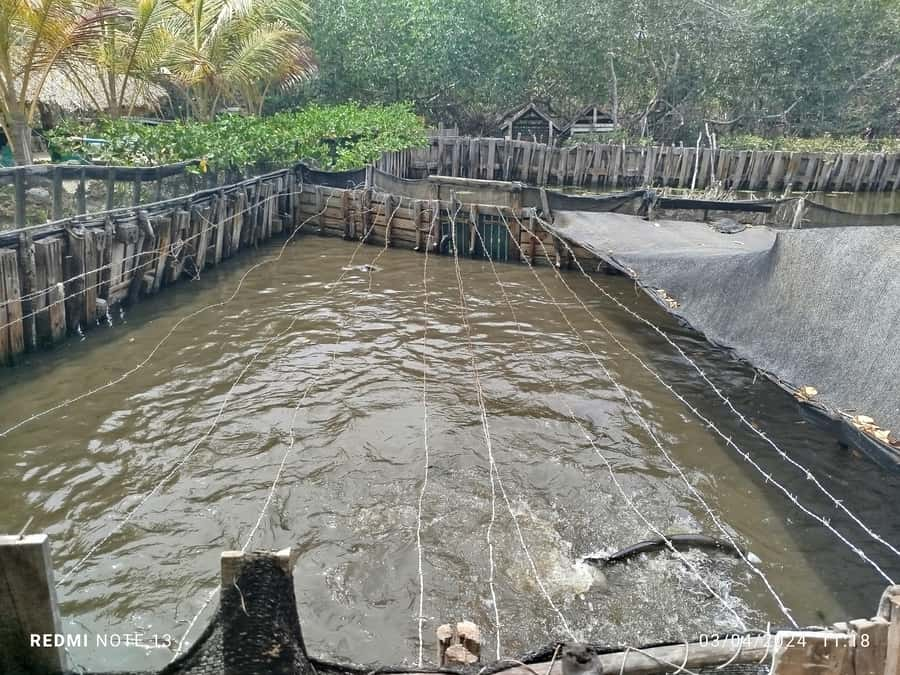
It is also a good choice if you have already seen the main sights in the walled city and want to understand another side of the region. La Boquilla and the mangroves show a working coastal community and a natural setting that is easy to miss when you stay in the center.
I would be more cautious if you need polished facilities, a tightly fixed schedule, or hotel-to-hotel service with no coordination. The meeting area is informal, the timing can vary in how it is described, and the return arrangement needs attention. Those are manageable issues, but they reward a little planning.
Bring sun protection and water, although a bottle of water is included. Wear clothing suitable for sitting in a canoe and expect the outing to be outdoors for its full length. The information does not promise specific seating, shade, or facilities, so keep your packing simple and practical.
Booking, timing, and cancellation details
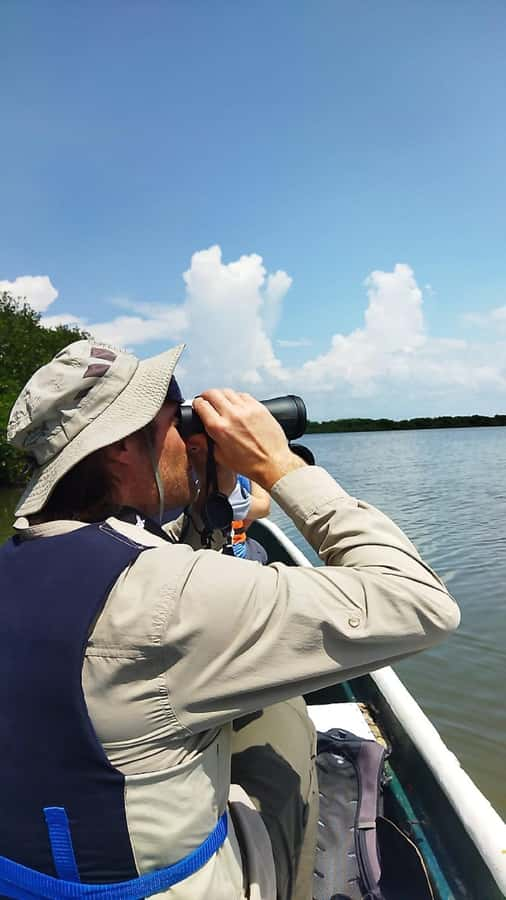
The activity is offered in English and Spanish, with a live guide and a private-group setup. There are different pickup choices, and you can reserve now and pay later. Free cancellation is available up to 24 hours before the activity for a full refund.
Check availability for the starting times that fit your day. Since the supplied timing includes both a two-hour description and a two-and-a-half-hour description, I would leave extra room before your next plan. Also confirm which transport option you selected, where you will meet, and where you will finish.
Should you book Fishermen’s Island by canoe?
Book it if you want a quiet, local nature outing with real community contact rather than another standard Cartagena sightseeing circuit. The three mangrove tunnels, native bilingual guiding, and Fishermen’s Island stop give the tour a clear sense of place. Guides such as Domingo and Sandra have been praised for making the wildlife and plants easy to understand, and that personal touch is central to the value.
Skip it if you want guaranteed animal sightings, a polished arrival area, or automatic hotel return. For everyone else, $28 is a fair starting price, especially when you confirm the pickup fee and return plan ahead of time. I would choose this tour for its mix of canoe travel, mangrove ecology, music, dancing, and a closer look at life around La Boquilla.
FAQ
Where does the tour meet?
The meeting point is in the beach and mangrove area of La Boquilla, near Caribe Blue, Manglares Hostel, and the beaches.
Is hotel pickup available?
Yes. Pickup can be arranged from many areas of Cartagena, including Bocagrande, Laguito, Castillogrande, the walled city, Manga, Marbella, Crespo, Los Morros, La Boquilla, and other listed neighborhoods.
Does hotel pickup cost extra?
Yes. The stated pickup charge varies by location and is generally between $4 and $10.
Is the return to my hotel included?
Not automatically. The activity information says the mangrove tour does not include hotel return unless you select or arrange an option that includes it.
What languages are available?
The tour is available in English and Spanish, with a live bilingual guide.
What wildlife might I see?
Possible sightings include flamingos, pelicans, colorful crabs, birds, amphibians, reptiles, and typical mangrove plants. Sightings depend on the timing of your visit.
How long does the activity last?
The description gives a duration of two to two and a half hours. The timing notes include canoe segments and a guided mangrove and island visit, so confirm the exact schedule when booking.
More Canoe Trips in the world
- From Phuket: Phang Nga Bay and Canoeing Tour by Big Boat
★ 4.7 · 3,528 reviews - Phuket: Phang Nga Bay Bioluminescent Plankton and Sea Canoes
★ 4.8 · 2,321 reviews - Pontcysyllte Aqueduct Canoe Tours in Llangollen
★ 5.0 · 2,229 reviews - Phuket: Twilight Sea Canoe & Highlight Glowing Plankton
★ 4.9 · 1,839 reviews
Fresh kayak reviews from the world
- Gili sunrise stand-up paddle boarding (drone photoshoot)★ 4.7 · 55 reviews
- Los Cabos Arch & Playa del Amor Tour by Glass Bottom Kayak★ 4.7 · 41 reviews
- Geiranger: Guided Kayak Tour in Geiranger Fjord★ 4.7 · 192 reviews
- gili sunrise Stand-up paddle boarding or kayaking (droneshot★ 4.5 · 11 reviews
- Gili SUP Or Kayak With Drone Shoot . Daylight Or Sunrise★ 4.0 · 16 reviews
- Geiranger: Kayak tour with guide★ 4.9 · 27 reviews
- Geiranger: Kayak Tour with Waterfall Views★ 5.0 · 19 reviews
- Gdańsk: Islands and Canals Private Kayak Tour★ 4.9 · 10 reviews
Island Kayak Tours, compared.
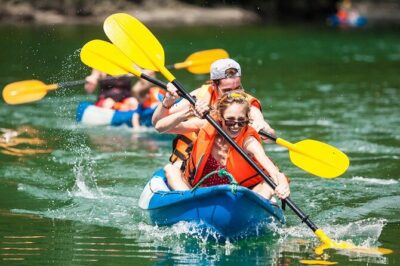
Halong Bay Day Tour With Titop Island, Cave, Kayak & Lunch
Read our review →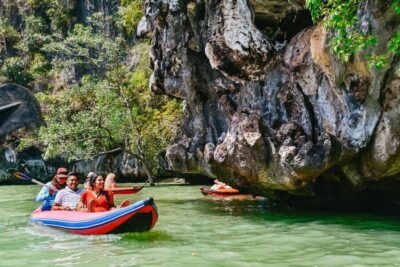
Phuket: James Bond Island Longtail Boat and Sea Canoe Tour
Read our review →
Kailua Bay, Oahu: Epic Kayak and Snorkel to Islands
Read our review →

James Bond Island with Canoeing and Lunch by Speedboat
Read our review →
Easy Ride Pedal Kayak Tour Marco Island & Naples (Pedal or Paddle
Read our review →
Pula: Cave Kayak Tour, Snorkeling and Island Jumping
Read our review →
Thousand Island Mangrove Tunnel, Manatee & Dolphin Kayak Tour w/Cocoa Kayaking
Read our review →Browse the lists this tour appears in